Cape Town Leensa Ghenetti Volunteer Story

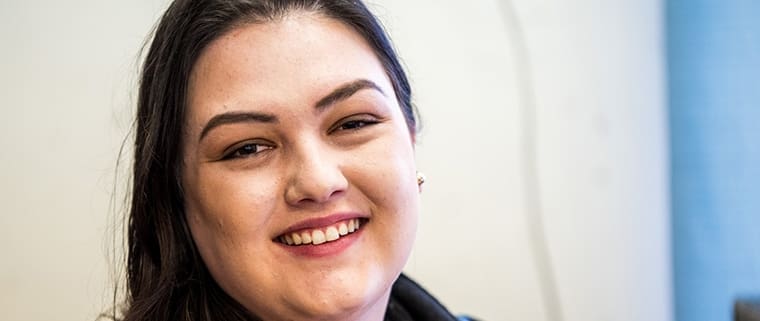
Leensa Ghenetti: Communications and Women’s Platform Volunteer

[kc_row use_container=”yes” force=”no” column_align=”middle” video_mute=”no” _id=”254471″][kc_column width=”12/12″ video_mute=”no” _id=”743722″][kc_column_text css_custom=”{`kc-css`:{`any`:{`box`:{`padding|`:`20px inherit inherit inherit`}}}}” _id=”428320″]

“I come from the Netherlands and Ethiopia but have spent the majority of my life living in New York. Coming from a mixed background, I have always been interested in issues relating to integration and multiculturalism. I’m currently pursuing a degree in political science at Reed College in Portland, Oregon.

Within my studies I have become quite interested in the institution of democracy and how it functions in different countries as well and the prevalence of vote buying and clientelistic behavior. I was first drawn to South Africa’s unique political climate which lead me to spend a semester studying at UCT, last August. During this period of time I met many inspiring people and was exposed to the diverse problems that are prevalent in a society in transition. One of these problems being that of discrimination against migrants and refugees and barriers to integrating.

[/kc_column_text][/kc_column][/kc_row][kc_row _id=”856731″][kc_column width=”12/12″ video_mute=”no” _id=”105727″][kc_row_inner _id=”854077″ cols_gap=”{`kc-css`:{}}” css_custom=”{`kc-css`:{`any`:{`background`:{`background|`:`eyJjb2xvciI6IiNmMmYyZjIiLCJsaW5lYXJHcmFkaWVudCI6WyIiXSwiaW1hZ2UiOiJub25lIiwicG9zaXRpb24iOiIwJSAwJSIsInNpemUiOiJhdXRvIiwicmVwZWF0IjoicmVwZWF0IiwiYXR0YWNobWVudCI6InNjcm9sbCIsImFkdmFuY2VkIjowfQ==`},`box`:{`padding|`:`30px inherit 30px inherit`}}}}”][kc_column_inner width=”19.93%” _id=”638546″][kc_icon _id=”124866″ icon=”flaticon-quote” css_custom=”{`kc-css`:{`any`:{`icon-style`:{`color|i`:`#db532f`,`font-size|i`:`60px`,`text-align|`:`center`,`padding|i`:`inherit 0px inherit inherit`}}}}”][/kc_column_inner][kc_column_inner width=”80.05%” _id=”83297″][kc_column_text _id=”930875″ css_custom=”{`kc-css`:{`any`:{`typography`:{`color|,p`:`#db532f`,`font-family|,p`:`Poppins`,`font-size|,p`:`18px`,`text-align|,p`:`left`},`box`:{`margin|p`:`inherit 20px inherit 0px`}}}}”]

“Having greatly enjoyed my time in Cape Town and inspired by what I had learned through my past experiences here, I couldn’t resist coming back and working for Scalabrini as a communications intern…”

[/kc_column_text][/kc_column_inner][/kc_row_inner][/kc_column][/kc_row][kc_row _id=”765516″][kc_column _id=”927042″][kc_column_text _id=”768254″ css_custom=”{`kc-css`:{`any`:{`box`:{`padding|`:`20px inherit inherit inherit`}}}}”]

On a day to day basis I work on finding compelling articles to share, interviewing and writing human interest pieces and documenting different evens. While I simultaneously assist as needed with various tasks in the office. I’ve enjoyed the dynamic work environment and having the ability to access and see the many different moving parts of Scalabrini….My future plans involve getting a masters degree, possibly in political communication or international development ”

[/kc_column_text][/kc_column][/kc_row]

Cape Town Kethlyn Gayatiri Volunteer Story

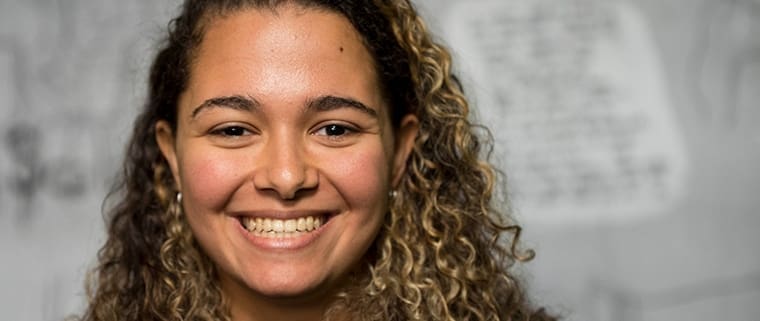
Kethlyn Gayatiri: Employment Access Volunteer

[kc_row use_container=”yes” force=”no” column_align=”middle” video_mute=”no” _id=”873448″][kc_column width=”12/12″ video_mute=”no” _id=”856129″][kc_column_text css_custom=”{`kc-css`:{`any`:{`box`:{`padding|`:`20px inherit inherit inherit`}}}}” _id=”526176″]

“As strange as it may sound, I wound picking Africa as my destination for my Summer break, on a random day in Law School. I simply spun the globe and planted my finger on it, and before I knew it, I was on a plane to South Africa. To psych myself up for the trip, I began searching for NGOs to work with, and I felt like Scalabrini was a perfect fit for me. I was an all-rounder intern, but I wound up sticking with the Employment Access Programme, where I work at the Employment Help Desk, or conduct Job Readiness and Digital Literacy workshops for our clients. A working day at the desk is hectic, where I meet between 4 to 10pm clients to design CVs for them and apply jobs for them. Apart from that, I also interact with the clients, and together with the EAP team, we find ways in which we can assist the clients in terms of his/ her professional development, career and training.

Despite being a first-timer in S.A, it felt almost at home. It could be because South Africa was a country that was often discussed in my Human Rights class, but I am sure the warm hospitality, and amazing food are other reasons why I settled so quickly in S.A. I do have to admit, that S.A is very different from my home country, Singapore. Singapore is very much of a “concrete” jungle where we are surrounded by high-rise buildings all of the time. Fast-paced, efficient, and very expensive! The pace of the work environment, and how everything moved was something I needed to adapt to. It reminded me to take it slow, and smell the roses. Given how South Africa is filled with Mother Nature’s wonders, it then gives me the perfect opportunities to appreciate all that South Africa had to offer. I fell in love with the mountains, the sea, the food, the music, the art scene, the languages, and the culture.

The major highlight was receiving emails and cards from clients as a form of appreciation for the work that we do for them. It can be an exhausting task to meet clients after clients, and put out fire with them as we listen to their problems, struggles and obstacles, and try to find ways to help them. Thus, receiving appreciative notes reassures and motivates us to hang in there.
It is going to be bittersweet to bid farewell to Scalabrini, more specifically, to the EAP and the Womens’ Platform. I would not have been enjoying, in fact, looking forward to work every day. 

[/kc_column_text][/kc_column][/kc_row][kc_row _id=”536336″][kc_column width=”12/12″ video_mute=”no” _id=”59329″][kc_row_inner _id=”504775″ cols_gap=”{`kc-css`:{}}” css_custom=”{`kc-css`:{`any`:{`background`:{`background|`:`eyJjb2xvciI6IiNmMmYyZjIiLCJsaW5lYXJHcmFkaWVudCI6WyIiXSwiaW1hZ2UiOiJub25lIiwicG9zaXRpb24iOiIwJSAwJSIsInNpemUiOiJhdXRvIiwicmVwZWF0IjoicmVwZWF0IiwiYXR0YWNobWVudCI6InNjcm9sbCIsImFkdmFuY2VkIjowfQ==`},`box`:{`padding|`:`30px inherit 30px inherit`}}}}”][kc_column_inner width=”19.93%” _id=”459800″][kc_icon _id=”932907″ icon=”flaticon-quote” css_custom=”{`kc-css`:{`any`:{`icon-style`:{`color|i`:`#db532f`,`font-size|i`:`60px`,`text-align|`:`center`,`padding|i`:`inherit 0px inherit inherit`}}}}”][/kc_column_inner][kc_column_inner width=”80.05%” _id=”703076″][kc_column_text _id=”705823″ css_custom=”{`kc-css`:{`any`:{`typography`:{`color|,p`:`#db532f`,`font-family|,p`:`Poppins`,`font-size|,p`:`18px`,`text-align|,p`:`left`},`box`:{`margin|p`:`inherit 20px inherit 0px`}}}}”]

“All of you have a heart of Gold, and the team reminds me every day of how important it is to keep the passion alive, and to not be afraid to pursue my goals and dreams. I hope that the clients too feel the same energy when they meet us, because they are amazing individuals too, and they just need the right opportunity to prosper.”

[/kc_column_text][/kc_column_inner][/kc_row_inner][/kc_column][/kc_row]

Lucy Arnold: Communications Volunteer

[kc_row use_container=”yes” force=”no” column_align=”middle” video_mute=”no” _id=”793377″][kc_column width=”12/12″ video_mute=”no” _id=”59400″][kc_column_text css_custom=”{`kc-css`:{`any`:{`box`:{`padding|`:`20px inherit inherit inherit`}}}}” _id=”469007″]

Home for me is the rainy but beautiful region of Seattle in the American Pacific Northwest, where I love hiking and trail running whenever I can. I am currently an undergraduate at Stanford University in California, where I am studying interdisciplinary environmental science and human rights.
The past few months that I have spent in Cape Town mark the first time I have lived abroad, and being here through the water crisis and so much political change has been absolutely fascinating. In general, I have found Cape Town to be an extremely vibrant city and a place where I have reflected more deeply on my identity than anywhere else. I found Scalabrini through its connections to the Stanford study abroad program I am part of, and I have been so excited to work here and be surrounded by the activities of a refugee rights NGO.

Over the past couple months, I have been the communications volunteer, tasked with developing social media content, writing articles, helping cover events, and more. Most days, my work involves interacting with different types of media, writing social media posts and articles catered to different audiences, and researching for new rounds of content. Working at Scalabrini, I have learned the importance of flexibility, patience, and tenacity.

[/kc_column_text][/kc_column][/kc_row][kc_row _id=”727057″][kc_column width=”12/12″ video_mute=”no” _id=”70701″][kc_row_inner _id=”99409″ cols_gap=”{`kc-css`:{}}” css_custom=”{`kc-css`:{`any`:{`background`:{`background|`:`eyJjb2xvciI6IiNmMmYyZjIiLCJsaW5lYXJHcmFkaWVudCI6WyIiXSwiaW1hZ2UiOiJub25lIiwicG9zaXRpb24iOiIwJSAwJSIsInNpemUiOiJhdXRvIiwicmVwZWF0IjoicmVwZWF0IiwiYXR0YWNobWVudCI6InNjcm9sbCIsImFkdmFuY2VkIjowfQ==`},`box`:{`padding|`:`30px inherit 30px inherit`}}}}”][kc_column_inner width=”19.93%” _id=”772158″][kc_icon _id=”137259″ icon=”flaticon-quote” css_custom=”{`kc-css`:{`any`:{`icon-style`:{`color|i`:`#db532f`,`font-size|i`:`60px`,`text-align|`:`center`,`padding|i`:`inherit 0px inherit inherit`}}}}”][/kc_column_inner][kc_column_inner width=”80.05%” _id=”852790″][kc_column_text _id=”195736″ css_custom=”{`kc-css`:{`any`:{`typography`:{`color|,p`:`#db532f`,`font-family|,p`:`Poppins`,`font-size|,p`:`18px`,`text-align|,p`:`left`},`box`:{`margin|p`:`inherit 20px inherit 0px`}}}}”]

“Being at Scalabrini is also a very humbling experience – though I rarely interacted with clients in my work, I was always surrounded by colleagues who are deeply committed to what they do and clients whose stories show incredible resilience in the face of adversity.”

[/kc_column_text][/kc_column_inner][/kc_row_inner][/kc_column][/kc_row][kc_row _id=”725237″][kc_column _id=”36420″][kc_column_text _id=”377028″ css_custom=”{`kc-css`:{`any`:{`box`:{`padding|`:`20px inherit inherit inherit`}}}}”]

Moving on from Scalabrini, I am going to continue working toward my bachelors degree. After that, I am interested in pursuing law school, masters work, a PhD, or some combination. I hope to one day pursue a career at the intersection of environmental sustainability and human rights.

[/kc_column_text][/kc_column][/kc_row]

Simone Adler: Advocacy Volunteer

[kc_row use_container=”yes” force=”no” column_align=”middle” video_mute=”no” _id=”206799″][kc_column width=”12/12″ video_mute=”no” _id=”163830″][kc_column_text _id=”542303″ css_custom=”{`kc-css`:{`any`:{`box`:{`padding|`:`20px inherit inherit inherit`}}}}”]

As a Jewish person, I am embedded with an ancestral heritage of ‘migration’. From a small shtetl in Poland, Lithuania, Russia and Belgium, I am a product of movement. Working as an English teacher in South Korea further connected me to these concepts of ‘migration’ and ‘foreign’.
These experiences, as well as my background as a UCT BA LLB (bachelor of law) graduate, have drawn me towards international migration issues and subsequently Scalabrini, where I volunteer in the Advocacy programme.

[/kc_column_text][/kc_column][/kc_row][kc_row _id=”701657″][kc_column width=”12/12″ video_mute=”no” _id=”253639″][kc_row_inner _id=”612705″ cols_gap=”{`kc-css`:{}}” css_custom=”{`kc-css`:{`any`:{`background`:{`background|`:`eyJjb2xvciI6IiNmMmYyZjIiLCJsaW5lYXJHcmFkaWVudCI6WyIiXSwiaW1hZ2UiOiJub25lIiwicG9zaXRpb24iOiIwJSAwJSIsInNpemUiOiJhdXRvIiwicmVwZWF0IjoicmVwZWF0IiwiYXR0YWNobWVudCI6InNjcm9sbCIsImFkdmFuY2VkIjowfQ==`},`box`:{`padding|`:`30px inherit 30px inherit`}}}}”][kc_column_inner width=”19.93%” _id=”282842″][kc_icon _id=”601736″ icon=”flaticon-quote” css_custom=”{`kc-css`:{`any`:{`icon-style`:{`color|i`:`#db532f`,`font-size|i`:`60px`,`text-align|`:`center`,`padding|i`:`inherit 0px inherit inherit`}}}}”][/kc_column_inner][kc_column_inner width=”80.05%” _id=”137013″][kc_column_text _id=”815120″ css_custom=”{`kc-css`:{`any`:{`typography`:{`color|,p`:`#db532f`,`font-family|,p`:`Poppins`,`font-size|,p`:`18px`,`text-align|,p`:`left`},`box`:{`margin|p`:`inherit 20px inherit 0px`}}}}”]

“It is in this position that I consistently question and acknowledge my power, roles and responsibilities through the depth and breadth of the world that is the ‘Department of Home Affairs’, ‘Education Departments’, ‘Principles’, ‘investigators’, ‘prosecutors’ and all those ‘others’ who have certain powers over the lives and conditions of the clients that appear before me.”

[/kc_column_text][/kc_column_inner][/kc_row_inner][/kc_column][/kc_row][kc_row _id=”238994″][kc_column _id=”93945″][kc_column_text _id=”84970″ css_custom=”{`kc-css`:{`any`:{`box`:{`padding|`:`20px inherit inherit inherit`}}}}”]

My clients have limited capacity to realize the full enjoyment of their rights, to gain access to the documents they need to work, to renew their permits, to ensure their children attend school, to appeal against rejections of their refugee status — the list goes on and on.

[/kc_column_text][/kc_column][/kc_row][kc_row _id=”376836″][kc_column width=”12/12″ video_mute=”no” _id=”885982″][kc_row_inner column_align=”middle” video_mute=”no” _id=”721285″][kc_column_inner width=”44.43%” _id=”160052″][kc_single_image image_size=”full” _id=”866335″ image_source=”media_library” image=”3641″ css_custom=”{`kc-css`:{`any`:{`image-style`:{`text-align|`:`center`}}}}”][/kc_column_inner][kc_column_inner width=”55.55%” _id=”960530″][kc_column_text _id=”789548″ css_custom=”{`kc-css`:{`any`:{`box`:{`padding|`:`10px inherit inherit inherit`}}}}”]

At Scalabrini, we have some power to challenge powerful actors in society and government. We also have the ability to advocate around legislation and policy. While we may be part of a small NGO, we are big in our pursuit of justice and equality.
 

[/kc_column_text][/kc_column_inner][/kc_row_inner][/kc_column][/kc_row][kc_row _id=”306033″][kc_column _id=”709610″][kc_column_text _id=”730693″]

What I will remember of my experiences here are the people, their faces and their stories. I will especially remember the children who were struggling to be admitted into schools, clients who faced detention, and those whose refugee statuses had been withdrawn or limited. Scalabrini is a part of my journey and aspiration to further pursue Human Rights Law.

[/kc_column_text][/kc_column][/kc_row]

Cape Town Jeanette Client Story

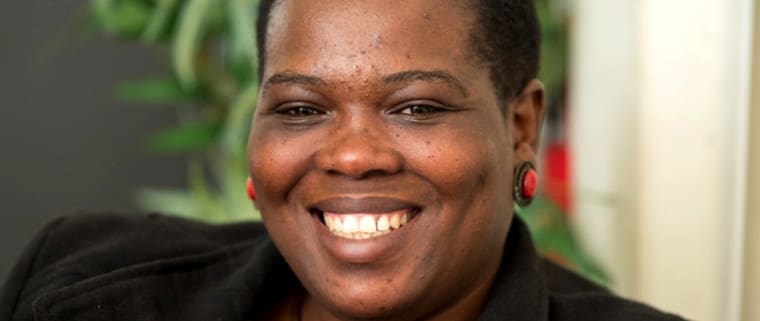
Jeanette: Empowering Women through Sewing

[kc_row use_container=”yes” force=”no” column_align=”middle” video_mute=”no” _id=”994085″][kc_column width=”12/12″ video_mute=”no” _id=”517153″][kc_column_text css_custom=”{`kc-css`:{`any`:{`box`:{`padding|`:`20px inherit inherit inherit`}}}}” _id=”384046″]

Zenzeleni Zenzeleni

We follow the story of Jeanette, whose business, Zenzeleni Zenzeleni, is growing and thriving thanks to the assistance of Womens Platform.

The Women’s Platform at Scalabrini seeks to empower women and share valuable skills whether it’s personal development skills, business savviness or vocational training. Through these opportunities, a vast network of incredible women has been constructed. Many come back to gain more skills or help their peers. The Women Platform’s small business course helps women grow their small businesses.

Every few days, Jeanette can be seen in the offices of Scalabrini, laying different fabrics down on a desk or showcasing her latest creations for various people in the office. Her backpacks, pants and shirts feature bright blocks of patterns, perfectly sewn together. Sewing is a new skill, which has become more than a simple past time activity. Jeanette’s sewing came out of her journey as a refugee, fleeing from Rwanda to Cape Town.

Jeanette has been in South Africa for thirteen years after fleeing Rwanda in 2005. “I had to escape the violence there was still political unrest and did not feel safe. I first fled to Malawi and then from I made the trek to Cape Town, following my aunt’s advice who had been there before. “Jeanette was drawn to Cape Town’s multicultural and “cosmopolitan” environment. “I felt it was the best place for me to go that was safe and offered opportunities. I have built a life here with my husband and two children, aged three and nine, who were born here.”

[/kc_column_text][/kc_column][/kc_row][kc_row _id=”953528″][kc_column width=”12/12″ video_mute=”no” _id=”310280″][kc_row_inner _id=”196271″ cols_gap=”{`kc-css`:{}}” css_custom=”{`kc-css`:{`any`:{`background`:{`background|`:`eyJjb2xvciI6IiNmMmYyZjIiLCJsaW5lYXJHcmFkaWVudCI6WyIiXSwiaW1hZ2UiOiJub25lIiwicG9zaXRpb24iOiIwJSAwJSIsInNpemUiOiJhdXRvIiwicmVwZWF0IjoicmVwZWF0IiwiYXR0YWNobWVudCI6InNjcm9sbCIsImFkdmFuY2VkIjowfQ==`},`box`:{`padding|`:`30px inherit 30px inherit`}}}}”][kc_column_inner width=”19.93%” _id=”337266″][kc_icon _id=”132809″ icon=”flaticon-quote” css_custom=”{`kc-css`:{`any`:{`icon-style`:{`color|i`:`#db532f`,`font-size|i`:`60px`,`text-align|`:`center`,`padding|i`:`inherit 0px inherit inherit`}}}}”][/kc_column_inner][kc_column_inner width=”80.05%” _id=”109810″][kc_column_text _id=”964437″ css_custom=”{`kc-css`:{`any`:{`typography`:{`color|,p`:`#db532f`,`font-family|,p`:`Poppins`,`font-size|,p`:`18px`,`text-align|,p`:`left`},`box`:{`margin|p`:`inherit 20px inherit 0px`}}}}”]

“I had to escape the violence there was still political unrest and did not feel safe. I first fled to Malawi and then from I made the trek to Cape Town, following my aunt’s advice who had been there before. “

[/kc_column_text][/kc_column_inner][/kc_row_inner][/kc_column][/kc_row][kc_row _id=”549159″][kc_column _id=”570327″][kc_column_text _id=”78490″ css_custom=”{`kc-css`:{`any`:{`box`:{`padding|`:`20px inherit inherit inherit`}}}}”]

“When I first arrived I started working in a corner shop. In the following years I could see there was no potential and the job would not lead me anywhere. It left me uninspired and unsure of how to move forward.” In 2013, Jeanette resigned. “After I left that job, I spent my time at home taking care of the house and children – but I knew I could do more. It was then that a friend challenged me to learn sewing and make something of my life. Even though I didn’t like it at first, she would wake me up early and make me learn.”

Jeanette explains that her negative attitude towards sewing was from her preconceptions back in Rwanda. “At home people in this (sewing) job never grow…so when this lady introduced it i was really angry, I thought ‘why are you introducing me to something where I’ll never grow?’ But as time went on, I began to enjoy it and saw the business opportunity.”

[/kc_column_text][/kc_column][/kc_row][kc_row _id=”465643″][kc_column width=”12/12″ video_mute=”no” _id=”686572″][kc_row_inner column_align=”middle” video_mute=”no” _id=”477812″][kc_column_inner width=”44.43%” _id=”196618″][kc_single_image image_size=”full” _id=”223071″ image_source=”media_library” image=”3783″ css_custom=”{`kc-css`:{`any`:{`image-style`:{`text-align|`:`center`}}}}”][/kc_column_inner][kc_column_inner width=”55.55%” _id=”580531″][kc_column_text _id=”438483″ css_custom=”{`kc-css`:{}}”]

“I pushed myself to learn how to sew from YouTube, not wanting to ask for help and as a way to prove myself. I then started to sell my small creations.” When asked about the impact of sewing, Jeanette says it “changed my life from sleeping and crying to someone who can wake up in the morning and say ‘I can do this’.”

[/kc_column_text][/kc_column_inner][/kc_row_inner][kc_column_text _id=”277464″ css_custom=”{`kc-css`:{`any`:{`box`:{`padding|`:`20px inherit inherit inherit`}}}}”]

In 2016, Jeanette decided to pursue a teaching training at CPUT. “I didn’t have money to afford the class books, so I started selling my pencil cases to my classmates. These became so popular that at some point the Head of Department stood in front of the class, looked out at the students and asked ,’where did all of you get your pencil cases?’ She then allowed me to use the space at CPUT to give sewing lessons. At first I started giving lessons free of charge to high school students and at a cheap price for women”. In trying to expand her sewing business, Jeanette came across Scalabrini. Jeanette came into the office looking for help in finding a marketplace where she could sell her products. She was directed to the Women’s Platform. As part of Women’s Platform intake, women must take a compulsory Personal Development course.

The personal development course aims to enhance women’s self-awareness and the sense of self as a resource while improving personal development skills, such as effective communication, goal setting, conflict resolution, and job-seeking skills. “Looking back at the experience, it taught me to value my own opinion and value myself. It gave me confidence and more inspiration for my business.”

Following the course, Jeanette attended an information session where she learnt about the small business course that was also offered to women. “This is what I needed to make my business grow so I signed up as soon as I could. The Women’s Platform also connected me to a network of people to befriend and sell to, so I wanted to use all the opportunities to grow myself, my business and my network.”

[/kc_column_text][/kc_column][/kc_row][kc_row _id=”563349″][kc_column width=”12/12″ video_mute=”no” _id=”328424″][kc_row_inner _id=”11788″ cols_gap=”{`kc-css`:{}}” css_custom=”{`kc-css`:{`any`:{`background`:{`background|`:`eyJjb2xvciI6IiNmMmYyZjIiLCJsaW5lYXJHcmFkaWVudCI6WyIiXSwiaW1hZ2UiOiJub25lIiwicG9zaXRpb24iOiIwJSAwJSIsInNpemUiOiJhdXRvIiwicmVwZWF0IjoicmVwZWF0IiwiYXR0YWNobWVudCI6InNjcm9sbCIsImFkdmFuY2VkIjowfQ==`},`box`:{`padding|`:`30px inherit 30px inherit`}}}}”][kc_column_inner width=”19.93%” _id=”435856″][kc_icon _id=”740855″ icon=”flaticon-quote” css_custom=”{`kc-css`:{`any`:{`icon-style`:{`color|i`:`#db532f`,`font-size|i`:`60px`,`text-align|`:`center`,`padding|i`:`inherit 0px inherit inherit`}}}}”][/kc_column_inner][kc_column_inner width=”80.05%” _id=”775421″][kc_column_text _id=”608180″ css_custom=”{`kc-css`:{`any`:{`typography`:{`color|,p`:`#db532f`,`font-family|,p`:`Poppins`,`font-size|,p`:`18px`,`text-align|,p`:`left`},`box`:{`margin|p`:`inherit 20px inherit 0px`}}}}”]

“This is what I needed to make my business grow so I signed up as soon as I could. The Women’s Platform also connected me to a network of people to befriend and sell to, so I wanted to use all the opportunities to grow myself, my business and my network.”

[/kc_column_text][/kc_column_inner][/kc_row_inner][/kc_column][/kc_row][kc_row _id=”257410″][kc_column _id=”862580″][kc_column_text _id=”424238″ css_custom=”{`kc-css`:{`any`:{`box`:{`padding|`:`20px inherit inherit inherit`}}}}”]

The small business course teaches a variety of skills including bookkeeping and budgeting. “Before this course, I relied on my intuition to stay in check. The skills I learnt on the course were so good, I could implement them into my business immediately.”

With her new Facebook page, Zenzeleni Zenzeleni (which means do it for yourself), Jeanette is excited for the future. “I am now advertising my products on Facebook and running my sewing course every Saturday at CPUT. The aim of my business is not just about myself. I want to give back and create opportunities for others. We are a community upliftment programme, we empower women to learn sewing skills in order for them to use those skills to make profit and be able to feed their families.”

[/kc_column_text][/kc_column][/kc_row][kc_row _id=”826308″][kc_column width=”12/12″ video_mute=”no” _id=”660735″][kc_single_image image_size=”full” _id=”702009″ image_source=”media_library” image=”3784″][/kc_column][/kc_row][kc_row _id=”611110″][kc_column _id=”535799″][kc_column_text _id=”584312″ css_custom=”{`kc-css`:{`any`:{`box`:{`padding|`:`20px inherit inherit inherit`}}}}”]

Small businesses like Jeanette’s Zenzeleni Zenzeleni contribute to the South African economy and help create more jobs. Jeanette’s business is contributing to the economy by empowering both migrants and South Africans through her classes, allowing everyone to learn sewing. Even at this point where she is fairly independent, Jeanette still receives support and guidance from Womens’ Platform team, who are teaching her different tools to expand her business including social media and making business cards.

“Women’s platform has become such an important part of my life now. I felt alone at times, but now I have the friendship and support I need to make it in this country. While I am not sure what the future holds, for now I am able to focus on my business, grow it and give others the opportunity to learn this life longs skills. I would not be able to do this without the support of Scalabrini and the Womens Platform.”

[/kc_column_text][/kc_column][/kc_row]

Cape Town Birth Registration In South Africa - Call for Change! Video

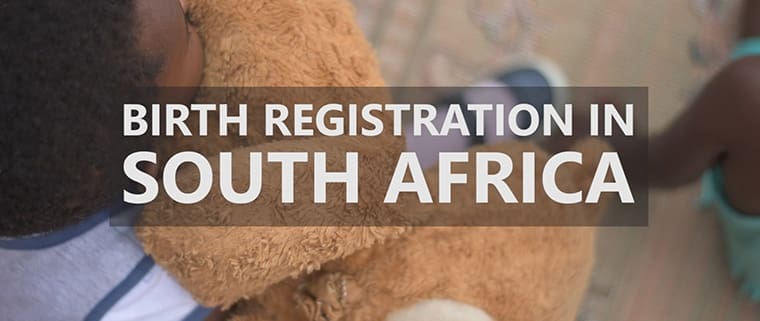
Birth Registration in South Africa – Call for Change!

[kc_row _id=”2642″][kc_column _id=”616470″][kc_column_text _id=”888498″]

Hundreds of children are forced into undocumented lives and denied their basic rights simply due to their parents’ documentation status. The Scalabrini Centre of Cape Town, Lawyers for Human Rights and the Legal Resources Centre are calling for the South African government to change regulations around birth registration to ensure that a child’s right to birth registration is not contingent on their parents’ documents.

Read more here

[/kc_column_text][/kc_column][/kc_row][kc_row _id=”139120″][kc_column width=”12/12″ video_mute=”no” _id=”895499″][kc_video_play video_link=”https://www.youtube.com/watch?v=iGJezBncyXU” video_mute=”__empty__” video_width=”700″ loop=”yes” control=”yes” related=”__empty__” showinfo=”__empty__” _id=”42751″ source=”youtube” css_custom=”{`kc-css`:{`any`:{`typography`:{`text-align|`:`center`}}}}”][/kc_column][/kc_row]

Benign Neglect or Active Destruction?

[kc_row use_container=”yes” force=”no” column_align=”middle” video_mute=”no” _id=”550412″][kc_column width=”12/12″ video_mute=”no” _id=”82548″][kc_column_text _id=”961058″]

In a four-part series, we summarize academic articles published by the Scalabrini Institute for Human Mobility in Africa (SIHMA), which conducts research on migration in Africa. The article summarized below, “Benign Neglect or Active Destruction? A Critical Analysis of Refugee and Informal Sector Policy and Practice in South Africa,” was originally authored by Jonathan Crush, Caroline Skinner, and Manal Stulgaitis.

In 2007, the Zimbabwean economy crashed, causing great numbers of Zimbabweans to come to South Africa in search of work and stability(1). The massive influx of migrants put the South African asylum system under significant pressure, shedding light on crippling weaknesses in the system. Unfortunately, the asylum has increasingly been conflated with generalized migration. Officials across the country adopted the position that 90% of asylum seekers are economic migrants and denounced them as abusers of the asylum system.(2)

Looking at the big picture, the underlying problem is not the arrival of migrants and asylum seekers, but the fact that the South African asylum system is overwhelmed, corrupt, poorly-informed, and mismanaged. Delays in status adjudication, arbitrary status decisions, and the tendency to decide claims based on a migrant’s home country rather than individual experiences are all commonplace. Moreover, widespread xenophobic attitudes portray migration as a zero-sum game in which any advantages for migrants come at the cost of South Africans and which fail to acknowledge the positive economic, cultural, and social contributions that migrants and asylum seekers make.

In their recent survey “Benign Neglect or Active Destruction? A Critical Analysis of Refugee and Informal Sector Policy and Practice in South Africa,” Jonathan Crush, Caroline Skinner, and Manal Stulgaitis discuss these features of the asylum and migration landscape, connecting them to an overarching trend of rising restrictionism in asylum practice. They find that the post-apartheid refugee protection regime has shifted from a strongly rights-based approach to an approach rooted in restrictionism, exclusion, and general incompetence among status determination officials and others who implement refugee policy. Moreover, since the 1990s, the livelihoods of the many migrants and refugees who work in the informal sector – running shops and micro-businesses, street vending, etc. – have been threatened by sporadic governance. At best, municipal authorities across the country have neglected the informal sector in their policies, but at worst, they have actively sought to eradicate informal business. All of these trends and developments point to the necessity of rights-based refugee systems and more progressive, supportive informal sector policies.

From Rights-Based Protection to Rights Restriction

Drawing inputs from a variety of sources and 30 in-depth interviews with informants in Cape Town, Limpopo, and Gauteng, the authors identify the 2017 Refugees Amendment Act and the Green Paper and White Papers on International Migration in South Africa as embodiments of the shift from post-apartheid rights-based refugee frameworks to more restrictive, rights-limiting legislation. Over time, the rights-based policy reflected in the 1998 Refugees Act has eroded due to a combination of factors: struggles with effective and efficient implementation, the migration pressure brought by Zimbabwe’s 2007 economic collapse, engrained xenophobia among the public and policy makers, and most broadly, high numbers of migrants and asylum seekers coming into a system that is under-resourced, under-staffed, poorly-trained, and increasingly corrupt.

Four connected strategies are embedded in the 2016 Refugees Amendment Act, Green and White Papers, and other migration policy instruments, aiming to restrict rights, opportunities, and livelihood stability for refugees. The implicit goal is to make South Africa a significantly less desirable destination for asylum seekers.

First, there continues to be a visible shift from the earlier refugee protection paradigm of integration to one based on encampment. The DHA (Department of Home Affairs) intends to create isolated Asylum-Seeker Protection Centers that would essentially serve as detention centers where asylum seekers live until the conclusion of their status determination processes; this system would bar asylum seekers’ abilities to integrate, find work, study, or move through the country freely, and it would render them dependent on the UNHCR or government for basic needs.

Second, logistical and administrative barriers have been established on multiple levels to undermine refugees’ stability. The number of Refugee Reception Offices (RROs) was cut in half by the DHA, and the current requirement that asylum-seekers renew their permits every one to six months at an RRO rather than at Home Affairs offices places significant financial and logistical hardships on the asylum-seekers. Moreover, the 2016 Refugees Amendment Act holds that a refugee or asylum seeker who fails to renew her permit within a month of its expiration will automatically have her status revoked, forfeit her right to future permit renewal, and be vulnerable to detention and arrest as an illegal foreigner. Under the act, a refugee can also only apply for permanent residence after ten years instead of the previous five. (3)

Third, recent policies and legislation have sought to undermine court judgements that have affirmed refugees’ and asylum-seekers’ rights to self-employment and other work. One aim of the 2016 Refugees Amendment Act is to overturn a judgement that affirmed asylum-seekers’ right to work while their refugee claims are adjudicated; this would make asylum-seekers dependent on friends, family, NGOs, and the UNHCR for shelter and support before they receive status decisions, disabling them from self-support for what can be a very long time.

Fourth, actions have been taken to limits asylum-seeker and refugees’ access to crucial financial services. Some banks refuse to open accounts for refugees and asylum-seekers, demonstrating low trust in Home Affairs documentation and only sanctioning accounts for individuals with South African national identity cards. Refugees who have managed to open accounts have repeatedly seen their accounts frozen due to changes in documents or the DHA failing to respond to verification enquiries, threatening the account holders’ abilities to afford rent, food, and travel to renew their status documents. Consequently, many refugees have to keep large stashes of cash in their homes and businesses, and especially in informal settlements and townships, these places are targeted by thieves and burglars.

Neglect and Targeting of the Informal Sector

Informal sector policies directly impact refugee livelihoods, as the lack of job opportunities in the formal sector largely restricts refugees to work in the informal sector. Surveying policies and actions from different levels of government, it becomes clear that South African treatment of the informal sector and migrants within it has been highly irregular, varying between neglect and marginalization to intentional destruction and oppression.

The apartheid government had a long history of opposing informal sector activity before the 1991 Business Act 71 started a reversal of the limiting apartheid policies. This more welcoming attitude toward informal business was again reflected in the 1995 White Paper on the Development and Promotion of Small Businesses and the 1996 National Small Business Act, which entitled survivalist businesses and micro-enterprises to government support and recognition in theory. Nevertheless, both pieces of legislation fail to acknowledge the specific concerns of migrants or refugees and generally overlook informal business. Moreover, the Department of Trade and Industry (DTI) has worked to build a nation-wide network of Local Business Development Centers to support enterprises of different size, but informal sector businesses still mostly fall through the cracks between unemployment and small business.

In 2003, President Mbeki gave the informal sector its first clear political recognition since the end of apartheid when he outlined the characteristics and potential of the so-called “second economy” – an economy that includes the impoverished rural and urban communities that make up much of the South African population, contributes minimally to the GDP, and generally struggles to drive its own growth or connect to the national “first economy.” Mbeki proposed a variety of measures to invest capital and resources into the second economy to help it integrate into the developed first sector.

However, since 2012, the informal sector has received national attention in a very sporadic, often disabling way. On the more benign side, The National Development Plan aims to create millions of jobs by 2030, including as many as 2.1 million informal sector jobs, but it includes no clear strategy for how this will be accomplished or how to knock down barriers that limit informal sector growth. DTI has been much more contradictory in its informal sector policies. In 2012, it established a directorate to support informal business development; the very next year, it released a Draft Business Licensing Bill that has been criticized for criminalizing the informal sector.

Some policies and practices go further, discriminating against migrants in the informal sector. In 2014, DTI’s National Informal Business Upliftment Strategy has signs of anti-migrant sentiment, referencing migrant takeover of local businesses. Though supposed to constructively regulate and support the informal sector, province governments have significant freedom in continuing to target migrant informal businesses. Limpopo Province launched a military-style crackdown called Operation Hardstick in 2012, in which police targeted migrant-run informal businesses, shut down over 600 businesses, detained shipowners, and told some business owners who were also refugees and asylum-seekers that their permits did not entitle them to running a business. Local governments have shown a pattern of targeting street vendors who are also migrants; in 2013, the Johannesburg City Council removed 6000 street traders, many of whom were migrants and asylum-seekers. The Cape Town government, meanwhile systematically excludes the contributions and development of street trade and township trade, and Somali-owned spaza shops in particular have been prohibited in some areas.

Conclusion

To conclude, Crush, Skinner, and Stulgaitis’s coupled analysis of refugee protection policy and treatment of the informal sector reveals that migrants and asylum-seekers must operate in an environment that limits their integration and stability at virtually every turn. The rights-based, more liberal refugee protection policies phased in after apartheid have given way to a much more restrictive approach. Not only does the DHA aim to severely limit asylum-seekers’ integration and mobility by phasing in an encampment strategy, but asylum-seekers and migrants also face numerous legal and administrative barriers in building stable lives in South Africa, are targeted by efforts to undermine court judgements that have affirmed their rights, and suffer from practices that stifle their access to banking and other financial services.

To compound all of these challenges, the government acts on a spectrum that runs from neglect to outright destruction of the informal sector businesses that provide so many refugees with incomes and livelihoods. In such a disabling and contradictory environment, migrants are pressured to be extremely self-reliant by the harsh protection policies, yet their self-reliance is constantly undermined by destructive or irregular informal sector policies. Litigation and the work of non-governmental organizations has helped to underline the contradiction between the generous rights listed in the South African Constitution and Refugees Act and the oppressive, marginalizing actions of government departments implementing and writing policy. However, the greater hope is that legislation and policy implementation that encourage migrants’ integration, rights, and economic contributions will come to replace the recent coercive approach.

This summarised article was written by a Scalabrini Centre of Cape Town Volunteer Lucy Arnold

CLICK ON THE IMAGE TO DOWNLOAD PDF

[/kc_column_text][kc_row_inner column_align=”middle” video_mute=”no” _id=”380377″][kc_column_inner width=”100%” _id=”243646″][kc_single_image image_size=”full” _id=”223226″ image_source=”media_library” image=”2152″ on_click_action=”open_custom_link” custom_link=”https://scalabrini.org.za//wp-content/uploads/2019/05/Scalabrini-Centre-of-Cape-Town-Benign-Neglect-or-Active-Destruction-The-big-shift-refugee-policy-in-South-Africa.pdf|https://scalabrini.org.za//wp-content/uploads/2019/05/Scalabrini-Centre-of-Cape-Town-Benign-Neglect-or-Active-Destruction-The-big-shift-refugee-policy-in-South-Africa.pdf|_blank”][/kc_column_inner][/kc_row_inner][kc_row_inner column_align=”middle” video_mute=”no” _id=”336809″][kc_column_inner width=”100%” _id=”804446″][kc_column_text _id=”340226″]

References
(1) Crush, J. and Tevera, D. (Eds.). 2010. Zimbabwe’s Exodus: Crisis, Migration, Survival. Ottawa: IDRC and Cape Town: SAMP.
(2) DHA. 2016. Green Paper on International Migration in South Africa. Pretoria: Department of Home Affairs.
(3) The 2013 Angolan Cessation is another key example of policy actions undermining refugee status. Rolled out by the DHA, this policy stripped Angolan refugees of their status regardless of how long they had lived in South Africa, issuing them two-year non-renewable temporary residence permits to allow them to set their affairs before their mandatory return to Angola. This action has been challenged successfully by a variety of organizations and affected individuals, but it still sets the precedent that the Minister of Home Affairs can end the recognition of refugee individuals or groups and revoke their status without justification.

[/kc_column_text][/kc_column_inner][/kc_row_inner][/kc_column][/kc_row]

Annual Report 2018 released

[kc_row _id=”876814″][kc_column width=”12/12″ video_mute=”no” _id=”380403″][kc_feature_box layout=”4″ title=”Annual Report 2018 released” position=”Report” desc=”U2NhbGFicmluaSBDZW50cmUgb2YgQ2FwZSBUb3duIGxhdGVzdCBhbm51YWwgcmVwb3J0IGlzIG5vdyBhdmFpbGFibGUgd2hlcmUgeW91IGNhbiBmaW5kIG91dCBvdXIgaW1wYWN0IGluIHRoZSBwYXN0IHllYXIsIHRoZSBzdWNjZXNzZXMgZWFjaCBwcm9qZWN0IGhhcyBoYWQgYW5kIGEgbm90ZSBmcm9tIHRoZSBkaXJlY3RvciBNaXJhbmRhIE1hZGlrYW5lLg0K” show_button=”yes” button_text=”Open Full Report” button_link=”https://scalabrini.org.za/wp-content/uploads/2019/05/Scalabrini-Centre-of-Cape-Town-Annual-Report-2018-1.pdf||_blank” _id=”44618″ image=”1625″ css_custom=”{`kc-css`:{`any`:{`subtitle`:{`color|.content-position`:`#db532f`},`image`:{`width|.content-image`:`60px`}}}}”][/kc_column][/kc_row]

Cape Town Our Call to Action Birth Registration in South Africa

Our call to action: birth registration in South Africa

[kc_row use_container=”yes” force=”no” column_align=”middle” video_mute=”no” _id=”213497″][kc_column width=”12/12″ video_mute=”no” _id=”673747″][kc_column_text css_custom=”{`kc-css`:{`any`:{`box`:{`padding|`:`20px inherit 10px inherit`}}}}” _id=”146946″]

The Scalabrini Centre of Cape TownLawyers for Human Rights and the Legal Resources Centre have released a video about birth registration in South Africa, and are calling on the South African government to change the regulations.

Hundreds of children are forced into undocumented lives and denied their basic rights due to their parents’ documentation status. The Scalabrini Centre of Cape Town, Lawyers for Human Rights and the Legal Resources Centre call for the South African government to amend regulations around birth registration to ensure that a child’s right to birth registration is not contingent on their parents’ documents.

The Scalabrini Centre of Cape Town, Lawyers for Human Rights and the Legal Resources Centre are releasing a video on this issue to raise awareness and advocate for the amendment of the regulations on birth registration relating to children born to undocumented parents.

[/kc_column_text][kc_video_play video_link=”https://youtu.be/iGJezBncyXU” video_mute=”__empty__” video_width=”700″ loop=”yes” control=”yes” related=”__empty__” showinfo=”__empty__” _id=”971743″ source=”youtube”][kc_column_text css_custom=”{`kc-css`:{`any`:{`box`:{`padding|`:`20px inherit inherit inherit`}}}}” _id=”935024″]

Background

A birth certificate is a vital document. It establishes a child’s identity, nationality and existence in a state. It is required to access services such as education and health. Without a birth certificate, a child does not ‘exist’ in the state’s eyes. This child cannot access school, is at risk of statelessness and is vulnerable to falling under the radar of child protection services. Hundreds of children exist in this shadow-state, due to the restrictive rules around birth registration in South Africa.

Children are being penalised and are denied their constitutional right to birth registration – simply because their parents hold expired documents.

Regulations that govern the application of the Birth and Deaths Registration Act require that a parent wishing to register the birth of their child must hold a valid document in South Africa. Whilst this might seem like a logical requirement of foreigners in South Africa, ensuring valid documentation in South Africa can be complex and, sometimes, impossible. For example, the ongoing closure of the Cape Town Refugee Reception Office has forced asylum seekers into travelling long distances to remain documented. Long queues, denied access and corruption exasperate the difficulties around extending permits.

As a parent with an expired permit, you are not able to register the birth of your child. As Sindisiwe Moyo of Scalabrini explains in the video, this means that ‘the country is sitting with a huge number of children who are not known to exist in South Africa’.

Recent Developments
In early July 2018, the High Court of South Africa, Grahamstown Division, declared the birth registration regulations unconstitutional in that they denied birth certificates to those children whose parents could not fulfil documentation requirements. The case, brought by Lawyers for Human Rights, Legal Resources Centre and the Centre of Child Law, is welcomed by the civil society sector. The judgement echoes the calls of the UN Committee on the Rights of the Child, which officially recommended that South Africa change the regulations around birth registration.

With this video, we are calling on the South African government to urgently repeal and edit the regulations around birth registration in South Africa. Birth registration is a constitutional right of a child and cannot be dependent on their parents’ documentation status.

[/kc_column_text][/kc_column][/kc_row]

Spazas, Foreigners, and Crime – It’s More Complicated than That.

[kc_row use_container=”yes” force=”no” column_align=”middle” video_mute=”no” _id=”693098″][kc_column width=”12/12″ video_mute=”no” _id=”445229″][kc_column_text _id=”75473″]

In a four-part series, we summarize academic articles published by the Scalabrini Institute for Human Mobility in Africa (SIHMA), which conducts research on migration in Africa. The article summarized below, “Xenophobia, Price Competition, and Violence in the Spaza Sector in South Africa,” was originally authored by Prof. Laurence Piper and Andrew Charman.

In May 2008, the world watched in shock as xenophobic violence raged across South Africa. Nationals violently attacked foreign nationals, displacing tens of thousands of migrants and brutally killing over 60. Migrants’ properties and businesses were destroyed in great numbers, with over 550 foreign-owned shops looted or burned to the ground.

This storm of attacks ushered in a decade of rising awareness of xenophobic violence among South Africans, and it has become widely assumed that this violence and accompanying xenophobic attitudes are driven by migrants taking jobs and services from South Africans. As seen in the violence ten years ago, foreign-owned shops suffer high risks of being targeted because of this assumption, with grocery or convenience stores called spazas especially recognized as xenophobic violence hotspots today. Central to the economy of townships – predominantly poor, black settlements that are part of apartheid legacy – spazas are targeted with high levels of violent crime regardless of shopkeeper nationality, but foreign shopkeepers are at greater risk because they are believed to outcompete local shopkeepers.

In their article “Xenophobia, Price Competition and Violence in the Spaza Sector in South Africa,” Laurence Piper and Andrew Charman investigate whether this assumption is supported by data and the actual experiences of shopkeepers of different nationalities. Though they find no absolute connection between foreigner status and price cheapness (business competitiveness) or levels of violence experienced, they discover a close correlation between crime levels and competitiveness. These results thus paint a much more nuanced picture of the dynamics at play between migrant communities, township businesses, xenophobia, and violent crime.

Business competitiveness and xenophobic violence in townships

The last ten years have seen growing foreign ownership of spazas. Most foreign shopkeepers come from other African countries, with the survey including shopkeepers from Angola, Burundi, DRC, Egypt, Ethiopia, Lesotho, Mozambique, Namibia, Pakistan, Rwanda, Somalia, Tanzania, and Zimbabwe. An additional minority of shopkeepers come from Bangladesh. Approximately half of the shopkeepers in the survey sample were foreigners, and Somali was the second most common nationality after South African.

In order to disentangle the factors of nationality, price competitiveness, and violence, Piper and Charman drew on survey data from over 1050 shopkeepers in eleven township and informal settlement areas across Cape Town, Gauteng, and Durban. The surveys reported shopkeepers’ nationalities, their selling prices for twelve common products (milk, eggs, bread, sugar, Coke, cigarettes, etc.), and their experiences with violent crime over the past five years. While the price data was used to construct a price comparison across survey sites and shopkeeper nationalities, crime data was used to create a parallel comparison for the number of violent incidents – murder, attempted murder, armed robbery, theft, arson, assault, and harassment – across the same categories.

Price-wise, Somali and Bangladeshi shopkeepers were found to have the cheapest prices (most competitive businesses) overall, while Zimbabwean and Mozambican shopkeepers registered more expensive prices than South African shopkeepers. For some of the most common products – namely one liter of milk and a loaf of white bread – South African shopkeepers actually outcompeted most foreign shopkeepers, though the average price difference between South Africans and foreigners was small overall.

In terms of crime, 71% of spaza shops had experienced at least one crime in the past five years, and 45% reported a violent crime such as armed robbery, assault, arson, attempted murder, or murder. The types and levels of crime experienced varied significantly depending on the area and shopkeeper nationality. Bangladeshi, Somali, and Ethiopian shopkeepers reported the highest crime rates, and the least affected groups were Zimbabwean, Mozambican, and other foreign shopkeepers. South African shopkeepers fell in the middle – 62% had experienced crime in the five year span.

In all, the data reflects that regardless of nationality, running a spaza shop is extremely dangerous, though certain nationalities are especially at risk. The risk of murder increases to 46 times the national average for the typical shopkeeper, but for Somali shopkeepers, the murder risk is over 100 times the average.

Conclusion

Comparing the price data and violence records, Piper and Charman found a clear correlation between the level of violence experienced and price competitiveness, through their findings in terms of nationality are less certain. Listing the lowest prices overall, Somali and Bangladeshi shopkeepers faced the highest rates of crime, but while Somali shopkeepers suffered the most from extreme violence (such as armed robbery, assault, attempted murder, and murder), Bangladeshis experienced more mild forms (theft, arson, and harassment). This suggests that factors aside from price competitiveness contribute to the violence experienced by foreign groups.

To summarize, profitable shops with cheaper prices are more likely to experience crime than profitable shops with higher prices. This is only a general trend in the complicated network of issues surrounding foreign and local shopkeepers, price, experienced crime, and location. The article concludes that more research is therefore needed to determine the other factors impacting spaza and xenophobia dynamics in townships and informal settlements.

This summarised article was written by a Scalabrini Centre of Cape Town Volunteer Lucy Arnold

*Crush, Jonathan. “The perfect storm: The realities of xenophobia in contemporary South Africa.” (2008).

See the infographic below, click image to download PDF:

[/kc_column_text][kc_single_image image_size=”full” _id=”79436″ image_source=”media_library” image=”3204″ on_click_action=”open_custom_link” custom_link=”https://scalabrini.org.za//wp-content/uploads/2019/05/Scalabrini-Centre-Of-Cape-Town-Spaza-foreigners-Crime-infographic.pdf|https://scalabrini.org.za//wp-content/uploads/2019/05/Scalabrini-Centre-Of-Cape-Town-Spaza-foreigners-Crime-infographic.pdf|_blank”][/kc_column][/kc_row]