insights on migration

Three insights on migration: Asha, our receptionist

[kc_row use_container=”yes” force=”no” column_align=”middle” video_mute=”no” _id=”577394″][kc_column width=”12/12″ video_mute=”no” _id=”875219″][kc_column_text _id=”889559″]

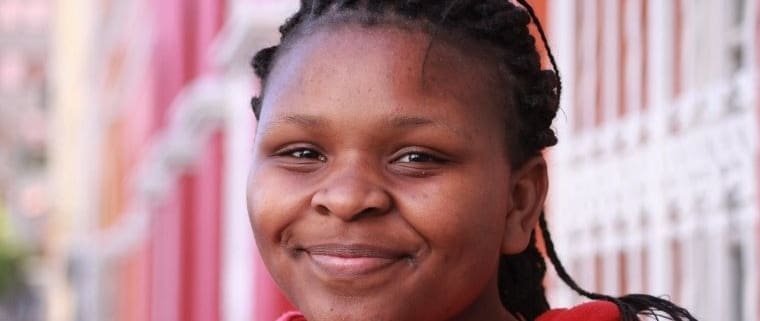
The Scalabrini team works with migrants and refugees every day. With such deep expertise at hand, we take the opportunity to reflect on migration with them. This month we speak to Asha, receptionist and first face of Scalabrini, who always tells her children to do something that they love – and that is exactly what she has found here at Scalabrini. Asha’s job does not end when she leaves at the end of the day. She is constantly recognised and finds great happiness in speaking to clients inside and outside of work.

1. Migration entails much more than just the movement of people. 

The definition of human migration is the movement of people from one place to another, often over long distances, with the intention of settling. Asha used to share this view of migration. “I used to think you get to a country, you get your permit and it stops there, but it is not just about needing a safe place to live or a job. You find that and then what? Next is to give back to the community you are in.” As a child, Asha remembers lots of moving. “I was born in Rwanda, but left many years ago, from the genocide time. We didn’t know what was happening as kids, the next thing you can’t go to school because it was too bad and then the next thing you’re leaving home, we don’t know where we are going and we don’t know where we are going to end. That’s how we moved.” There are many different aspects that go along with moving and Asha’s experience as a child was very different to that of her parents. There is so much to learn about migration and Asha says she is constantly learning. Migration does not only bring challenges with it, but also opportunities to learn from each other and to broaden our mindsets. “Migration is huge and I really feel like everyone needs to get to know more, get to know each other. I believe most of us are migrants or come from migrants.”

2. Many people’s view of migration is one dimensional and only favours some. We are all migrants. 

People see cross-border migrants very differently to how they see migrants from within South Africa. “If you are in South Africa and you moved here from the Eastern Cape or you moved there from the Western Cape, you are a migrant. We are all migrants. Maybe you are lucky because you are just in your country, but I am sure that if you move somewhere and everyone speaks Sotho and Afrikaans, but you only speak Xhosa and English, you are foreign in that area even though you have your green ID book.” Asha has also seen how migrants from African countries are seen in a very different light to people coming from Europe or America. “We mustn’t see migration from one side – like thinking that if we get these certain people from certain countries our economy will grow. I might come from the States with my money, but with bad intentions. I might come from Rwanda or another African country, with no money, but with my wisdom and my knowledge.”

3. Migrants that come in search of a better life are not necessarily a threat to local people.

Most people do not choose to leave their country and their home. There are many different reasons for people migrating and it is important that we try to understand why. “Someone may be here for a better life, yes, but I am not coming to work against you.” Asha says it is important to get to know people and get to know their different challenges. “I could understand I was here because of war, but how about these other people?  I believe nobody wants to leave a place where they call home, but different challenges cause people to leave. There are advantages of being in your own community, but there are more advantages of getting involved in other communities. You learn a lot.” For example, Asha remembers her father taking time on the weekends to teach people in their community to drive. A positive cycle can be created when we work together.

[/kc_column_text][/kc_column][/kc_row]

 Save as PDF

Spaza: a mini-documentary

How can we address xenophobia in an innovative, relevant way? Abdi, Western Cape head of the Somali Association of South Africa, recognizes that Somali shop-keepers’ entrepreneurial spirit is a ‘way of life’. At the same time, he sees that xenophobic tensions have roots in the South African economy itself. In reaction, Abdi started a Spaza Business Course, in which Somali shop-owners and South African entrepreneurs share business skills, tips and tricks of the trade.

 Save as PDF
scalabrini success story isaac

Isaac: On the Path to Emergency Medicine with the Employment Access Programme

[kc_row use_container=”yes” force=”no” column_align=”middle” video_mute=”no” _id=”408769″][kc_column width=”12/12″ video_mute=”no” _id=”629960″][kc_column_text _id=”880461″ css_custom=”{`kc-css`:{}}”]

Isaac was 25 years old when he left his home, the Democratic Republic of Congo (DRC) and made the journey to South Africa, alone. After spending time in Zambia and Zimbabwe, he arrived in Cape Town where he is now pursuing his dream of getting a Bachelor’s Degree in Emergency Care from the Cape Peninsula University of Technology. Isaac reflects on how the Scalabrini Employment Access Programme fitted in with his journey.

Arriving in South Africa

Back home in DRC, Isaac had completed nursing school and was working for an NGO. He was also involved in politics, but was aware of the fact that when you speak the truth in a country facing political instability, you can quickly become a target. Very sadly, an eruption of conflict saw Isaac losing members of his family. Others fled in different directions. He made the decision to leave his home, with no idea of where he would end up. 

Isaac describes his arrival in South Africa as a difficult time. “It was a very difficult situation. My first time in Cape Town was lonely, arriving in a place where you don’t know anyone, with no family. I spoke no English. It was very, very tough, but because I was determined I kept going until today.”

Finding Scalabrini

Through the Congolese community, Isaac found the Scalabrini Centre and the right programme to guide him in the direction he was wanting to go. He joined the Employment Access Programme where it was discovered that the South African Nursing Council did not recognise his qualifications, so his studying venture in South Africa began. 

Furthering His Education

“I applied at the Cape Peninsula University of Technology (CPUT) six times. I applied, they rejected, I applied, they rejected, but I kept on trying. In the meantime I was doing extra courses, like first aid, nursing courses, basic life support. I was doing that in order to meet the requirements of the university.” In 2017, Isaac met the requirements and was accepted into both Radiology and Emergency Services. He chose Emergency Services. 

Staying Positive

It has not been the smoothest journey for Isaac. CPUT does not provide bursaries for foreign students, which means that Isaac works night shifts at the Cape Town Mediclinic trauma centre and studies during the day. This does not leave him with much time, and he has had to re-do a few subjects. 

While Isaac is focused on graduating, he remains aware of the hardship facing his community. “I don’t just want to be focused on myself. So far I have tried hard, and I am somewhere, but I’m also thinking about other people who are on the same journey. If I can graduate it will be a plus for me, a plus for the Congolese community and a plus for other foreign communities in general as I will be better equipped to help them. When we help more people, we create the positive cycle and reduce suffering in our communities.”

Want to take action?

If you are able to help in any way, Isaac has a BackABuddy account where people can donate money to help pay for his studies. The donations will go straight to the account of CPUT. The link is provided below. 

https://www.backabuddy.co.za/champion/project/isaac-mulumba

[/kc_column_text][/kc_column][/kc_row][kc_row _id=”965861″][kc_column width=”12/12″ video_mute=”no” _id=”791066″][/kc_column][/kc_row]

 Save as PDF

Scalabrini Centre of Cape Town Annual Report 2018 – 2019

[kc_row use_container=”yes” _id=”969923″][kc_column width=”12/12″ video_mute=”no” _id=”610951″][kc_spacing height=”20″ _id=”964915″][kc_feature_box layout=”4″ title=”Scalabrini Annual Report 2018 – 2019″ position=”Report” desc=”UmVhZCBvdXIgMjAxOC0yMDE5IEFubnVhbCBSZXBvcnQsIHdoaWNoIHJlY29yZHMgb3VyIHN0YXRpc3RpY3MsIHNlcnZpY2VzIGFuZCBzdWNjZXNzZXMgZm9yIHRoZSB5ZWFyISBSZWFkIGFib3V0IHRoZSBFbmdsaXNoIFNjaG9vbCBhcyB0aGV5IHdhbGsgdGhlIG9mdGVuIGdydWVsbGluZyBqb3VybmV5IG9mIGFjcXVpcmluZyBFbmdsaXNoIGFsb25nc2lkZSBvdXIgY2xpZW50cy4gTWFydmVsIGF0IHRoZSBpbmNyZWRpYmxlIGVuZXJneSBvZiB0aGUgRW1wbG95bWVudCBBY2Nlc3MgdGVhbSBhcyB0aGV5IHN1cHBvcnQgY2xpZW50cyB0aHJvdWdoIGpvYi1zZWVraW5nLiBTZWUgaG93IG9wcG9ydHVuaXR5IGFuZCBzYWZlIHNwYWNlIGJvb3N0cyBpbmRpdmlkdWFsIG1pZ3JhbnQgd29tYW4gaW4gdGhlaXIgbmV3IGhvbWUgaW4gdGhlIFdvbWVu4oCZcyBQbGF0Zm9ybS4gVXNpbmcgaW1hZ2luYXRpb24gYW5kIGNyZWF0aXZpdHkgdG8gdW5kZXJzdGFuZCBob3cgdG8gbGluayBhY3Jvc3Mgb3VyIGRpZmZlcmVuY2VzIGFuZCBmb3N0ZXIgYXR0aXR1ZGVzIHRoYXQgYWxsb3cgZm9yIG11dHVhbCByZXNwZWN0LCB0aGUgVU5JVEUgeW91dGggcHJvZ3JhbW1lIGhhcyBoYWQgYW4gZXhjaXRpbmcgeWVhciBleHBsb3JpbmcgdGhlIHBvc2l0aXZlIGltcGFjdCBvZiBkZWJhdGUgYXMgYSB0b29sIHRvIGludGVycm9nYXRlIHNlbGYtaWRlbnRpdHkgYW5kIGhvdyB0aGF0IGlkZW50aXR5IGlzIGV4cHJlc3NlZCBhbmQgcGVyY2VpdmVkLiBJbiB0ZXJtcyBvZiBBZHZvY2FjeSBQcm9ncmFtbWUsIHdlIGhhdmUgc2VlbiBzb21lIHdvbmRlcmZ1bCBjcmVhdGl2ZSBncm93dGggc3BhcmtlZCBieSBvbmdvaW5nIGxlZ2FsIGNoYWxsZW5nZXMgZmFjZWQgYnkgcmVmdWdlZXMgYW5kIG1pZ3JhbnRzIGluIFNvdXRoIEFmcmljYS4gVGhlIGNvbnRpbnVlZCBjbG9zdXJlIG9mIENhcGUgVG93buKAmXMgUmVmdWdlZSBSZWNlcHRpb24gT2ZmaWNlIOKAkyBhbHRob3VnaCBkaXNhcHBvaW50aW5nIOKAkyBiaXJ0aGVkIGEgY3JlYXRpdmUgYWN0aXZpc20gY2FtcGFpZ24sIHdoaWNoIGJyb3VnaHQgYmVhdXR5IGFuZCBjb2xvdXIgdG8gdGhlIFJSTyEgVW5kZXIgdGhlIGhhc2h0YWcgI09wZW5UaGVSUk8gYW5kIGhlYWRlZCBieSBTb25rZSBHZW5kZXIgSnVzdGljZSwgdGhlIGNhbXBhaWduIGluY3JlYXNlZCBhd2FyZW5lc3MgYW5kIGV2b2tlZCBtdWNoLW5lZWRlZCBtZWRpYSBhdHRlbnRpb24gdG8gdGhlIGlzc3VlLg==” show_button=”yes” button_text=”Read full report” button_link=”https://scalabrini.org.za/wp-content/uploads/2019/10/Scalabrini_Centre_Cape_Town_Annual_Report_2018_2019-1.pdf||_blank” _id=”72264″ image=”1625″ css_custom=”{`kc-css`:{`any`:{`image`:{`width|.content-image`:`60px`}}}}”][/kc_column][/kc_row]

 Save as PDF
volunteer cape town sihma basp

Emma – SIHMA & BASP volunteer

[kc_row use_container=”yes” force=”no” column_align=”middle” video_mute=”no” _id=”279973″][kc_column width=”12/12″ video_mute=”no” _id=”174286″][kc_column_text css_custom=”{`kc-css`:{`any`:{`box`:{`padding|`:`20px inherit inherit inherit`}}}}” _id=”295483″]

Emma is from Rhode Island where she was working as a paralegal. She is now coming to the end of her time volunteering with both SIMHA and BASP at the Scalabrini Centre. This has been her experience. 

“I love Cape Town, it’s really sad to leave. It kind of feels like my second home now. Cape Town is certainly a modern city, but I’ve found it’s very different (to Rhode Island). There are just so many different types of people that I’ve met and a lot more cultural variety than where I’m from, which has been a very interesting and cool experience. 

I was placed here through a study volunteer program. I basically told them all of my interests, my background and they placed me here. Everyone was really friendly and welcoming when I first arrived.

[/kc_column_text][/kc_column][/kc_row][kc_row _id=”444267″][kc_column width=”12/12″ video_mute=”no” _id=”314469″][kc_row_inner _id=”804718″ cols_gap=”{`kc-css`:{}}” css_custom=”{`kc-css`:{`any`:{`background`:{`background|`:`eyJjb2xvciI6IiNmMmYyZjIiLCJsaW5lYXJHcmFkaWVudCI6WyIiXSwiaW1hZ2UiOiJub25lIiwicG9zaXRpb24iOiIwJSAwJSIsInNpemUiOiJhdXRvIiwicmVwZWF0IjoicmVwZWF0IiwiYXR0YWNobWVudCI6InNjcm9sbCIsImFkdmFuY2VkIjowfQ==`},`box`:{`padding|`:`30px inherit 30px inherit`}}}}”][kc_column_inner width=”19.93%” _id=”390141″][kc_icon _id=”808288″ icon=”flaticon-quote” css_custom=”{`kc-css`:{`any`:{`icon-style`:{`color|i`:`#db532f`,`font-size|i`:`60px`,`text-align|`:`center`,`padding|i`:`inherit 0px inherit inherit`}}}}”][/kc_column_inner][kc_column_inner width=”80.05%” _id=”155607″][kc_column_text _id=”371715″ css_custom=”{`kc-css`:{`any`:{`typography`:{`color|,p`:`#db532f`,`font-family|,p`:`Poppins`,`font-size|,p`:`18px`,`text-align|,p`:`left`},`box`:{`margin|p`:`inherit 20px inherit 0px`}}}}”]

“I’ve definitely grown professionally as I’ve become a lot better at explaining and being interactive with people. SIMHA has greatly helped with my writing skills and making connections.” 

[/kc_column_text][/kc_column_inner][/kc_row_inner][/kc_column][/kc_row][kc_row use_container=”yes” force=”no” column_align=”middle” video_mute=”no” _id=”124091″][kc_column width=”12/12″ video_mute=”no” _id=”11339″][kc_column_text css_custom=”{`kc-css`:{`any`:{`box`:{`padding|`:`20px inherit inherit inherit`}}}}” _id=”222112″]

I definitely was challenged in BASP as I had no teaching experience and I didn’t really know how to go about coaching these students. I’ve never really thought of myself as being good at explaining things to people, so I’ve definitely grown professionally as I’ve become a lot better at explaining and being interactive with people. SIMHA has greatly helped with my writing skills and making connections. 

My most memorable experience was the BASP graduation, it was the first graduation that they had, the first cohort of students that graduated with their associates degree and they are able to get their bachelors now. It was a really emotional, celebratory experience and everyone was really happy. It was cool to see their accomplishments.” 

I have to go home and return to my job, but I foresee myself beginning to apply for law school and pursuing that. “

[/kc_column_text][/kc_column][/kc_row]

 Save as PDF
Foreign Children in Care Comparative Report South Africa 2019

Foreign Children in Care Comparative Research Report South Africa 2019

[kc_row use_container=”yes” _id=”739133″][kc_column width=”12/12″ video_mute=”no” _id=”477268″][kc_spacing height=”20″ _id=”352006″][kc_feature_box layout=”4″ title=”Foreign Children in Care Comparative Report South Africa 2019″ position=”Research” desc=”VGhpcyByZXNlYXJjaCwgY29tcGlsZWQgYnkgdGhlIFNjYWxhYnJpbmkgQ2VudHJlIG9mIENhcGUgVG93biwgcHJvdmlkZXMgYW4gb3ZlcnZpZXcgb2YgdGhlIHNpdHVhdGlvbiBmYWNpbmcgdW5hY2NvbXBhbmllZCBhbmQgc2VwYXJhdGVkIGZvcmVpZ24gY2hpbGRyZW4gbGl2aW5nIGluIGNoaWxkcmVu4oCZcyBob21lcyBpbiBTb3V0aCBBZnJpY2EuIENvbGxlY3RpbmcgZGF0YSBmcm9tIG92ZXIgMjAwIGNhc2VzIG9mIGZvcmVpZ24gY2hpbGRyZW4gbGl2aW5nIGluIGNhcmUgaW4gTGltcG9wbywgR2F1dGVuZyBhbmQgV2VzdGVybiBDYXBlLCB0aGUgcmVwb3J0IGNvbnNpZGVycyB0aGUgcmVhbHRpZXMgb2YgdGhlc2UgY2hpbGRyZW46IHRoZWlyIGRlbW9ncmFwaGljcywgdGhlaXIgYWNjZXNzIHRvIGRvY3VtZW50YXRpb24gYW5kIG90aGVyIHJpZ2h0cywgYW5kIHRoZWlyIGZ1dHVyZXMu” show_button=”yes” button_text=”Read full report” button_link=”https://scalabrini.org.za/wp-content/uploads/2019/07/Scalabrini_Centre_Cape_Town_Foreign_Children_in_Care_Comparative_Report_South_Africa_2019.pdf||_blank” _id=”469810″ image=”1625″ css_custom=”{`kc-css`:{`any`:{`image`:{`width|.content-image`:`60px`}}}}”][/kc_column][/kc_row]

 Save as PDF
volunteer cape town unite 20 06 19

Leo – UNITE volunteer

[kc_row use_container=”yes” force=”no” column_align=”middle” video_mute=”no” _id=”516572″][kc_column width=”12/12″ video_mute=”no” _id=”770942″][kc_column_text css_custom=”{`kc-css`:{`any`:{`box`:{`padding|`:`20px inherit inherit inherit`}}}}” _id=”871245″]

Leo got the opportunity to work on his PhD in Cape Town. He has been living here for the past three years and has spent some of that time volunteering with UNITE. Read more about his time here below.

I grew up in the northern French Alps, near Switzerland, and lived on the countryside. My hometown had 800 inhabitants, so this environment is really different. Before moving here, I had been living in a big city in France for a bit so the transition was not too difficult.

I have been in Cape Town for three years now, so it’s really starting to feel like home. Being near the mountains reminds me a lot of home, actually, and I enjoy being able to do things like hiking. The only downside is that I don’t always like the superficial, plastic side of Cape Town, but that comes along with life in any big city. 

I ended up here because while I was doing my masters, I got a proposal to do a PhD in South Africa through a partnership between European and South African universities. It worked out and I got a scholarship to come here and work on my PhD. Originally, my area of focus was going to be about using sports as a tool to promote social cohesion. When I got here, I was put into contact with NGOs that focused more on migrant-related work, so my topic shifted to that. The field was fascinating, because that was when the refugee crisis was at its height. It’s been so cool to see how other countries deal with issues of migration and social cohesion.

[/kc_column_text][/kc_column][/kc_row][kc_row _id=”408711″][kc_column width=”12/12″ video_mute=”no” _id=”316807″][kc_row_inner _id=”306363″ cols_gap=”{`kc-css`:{}}” css_custom=”{`kc-css`:{`any`:{`background`:{`background|`:`eyJjb2xvciI6IiNmMmYyZjIiLCJsaW5lYXJHcmFkaWVudCI6WyIiXSwiaW1hZ2UiOiJub25lIiwicG9zaXRpb24iOiIwJSAwJSIsInNpemUiOiJhdXRvIiwicmVwZWF0IjoicmVwZWF0IiwiYXR0YWNobWVudCI6InNjcm9sbCIsImFkdmFuY2VkIjowfQ==`},`box`:{`padding|`:`30px inherit 30px inherit`}}}}”][kc_column_inner width=”19.93%” _id=”462645″][kc_icon _id=”56090″ icon=”flaticon-quote” css_custom=”{`kc-css`:{`any`:{`icon-style`:{`color|i`:`#db532f`,`font-size|i`:`60px`,`text-align|`:`center`,`padding|i`:`inherit 0px inherit inherit`}}}}”][/kc_column_inner][kc_column_inner width=”80.05%” _id=”820960″][kc_column_text _id=”111171″ css_custom=”{`kc-css`:{`any`:{`typography`:{`color|,p`:`#db532f`,`font-family|,p`:`Poppins`,`font-size|,p`:`18px`,`text-align|,p`:`left`},`box`:{`margin|p`:`inherit 20px inherit 0px`}}}}”]

“I’ve learned a lot since coming here, like how to effectively lead a session, how to engage teenagers on complex issues, and how to explain these issues in a way they can understand. My PhD fieldwork has been heavily informed by this experience.”

[/kc_column_text][/kc_column_inner][/kc_row_inner][/kc_column][/kc_row][kc_row _id=”733861″ cols_gap=”{`kc-css`:{}}” use_container=”yes” force=”__empty__” css_custom=”{`kc-css`:{`any`:{`box`:{`padding|`:`30px inherit inherit inherit`}}}}”][kc_column width=”12/12″ video_mute=”no” _id=”694464″][kc_row_inner column_align=”middle” video_mute=”no” _id=”823069″][kc_column_inner width=”39.29%” _id=”991499″][kc_single_image image_size=”full” _id=”600316″ image_source=”media_library” image=”4456″ css_custom=”{`kc-css`:{`any`:{`image-style`:{`text-align|`:`center`}}}}”][/kc_column_inner][kc_column_inner width=”60.68%” _id=”876533″][kc_column_text _id=”160544″ css_custom=”{`kc-css`:{}}”]

I studied sociology in university, and I’ve always been a very curious person, trying to make sense of the world. I think I got that from my mother. Sociology has taught me that everything is complex and layered, and through it I’ve learned to decode and try to understand the world better.

[/kc_column_text][/kc_column_inner][/kc_row_inner][kc_column_text _id=”78251″ css_custom=”{`kc-css`:{}}”]

Here at Scalabrini, I’m a UNITE volunteer. On a typical day, I come to Scalabrini and myself along with the other UNITE members go to a school and facilitate workshops. We cover three main topics: diversity, integration, and identity, and lead activities like debates or reflections to get the kids thinking critically about these issues. I’ve learned a lot since coming here, like how to effectively lead a session, how to engage teenagers on complex issues, and how to explain these issues in a way they can understand. My PhD fieldwork has been heavily informed by this experience.

My most memorable time here was during our UNITE camp last August. It was great to get to know the kids in a more casual setting and to bond with the other program leaders, being outside and doing fun team-building activities. Now that UNITE is finished for the year, I’m focusing on writing my thesis and hope to be done by the end of next year. My initial plan was to work for an international organization, but now I think I would like to carry on in the research field and possibly continue my work in the NGO setting, which I have really enjoyed. My advice to anyone coming to Scalabrini is to set concrete goals, reach them, and along the way to really invest in the culture and grow from it.”

[/kc_column_text][/kc_column][/kc_row]

 Save as PDF
press-release-refugee-day-2019

PRESS RELEASE: Life-changing Court Order for refugees’ spouses and children handed down, day before World Refugee Day

[kc_row use_container=”yes” force=”no” column_align=”middle” video_mute=”no” _id=”66060″][kc_column width=”12/12″ video_mute=”no” _id=”214293″][kc_column_text _id=”2376″]

Today, the day before World Refugee Day, the Western Cape High Court has handed down a landmark Court Order that is set to radically improve the lives of thousands of asylum-seeking families across South Africa.

The Order, confirmed by the court following successful negotiations between the Department of Home Affairs and civil society, pertains to children and spouses of asylum seekers and refugees living in South Africa.

Wives, husbands, children and other dependents of asylum-seekers and refugees are able to document themselves in South Africa as 'dependents' of the principle asylum applicant in a process commonly known as 'family-joining'. This aspect of the Refugee Act – outlined at section 3(c) – means that refugee families can be documented together, ensuring their rights to family unity and dignity in South Africa. As refugees cannot return to their country due to conflict or persecution, maintaining a family unit that is documented together is an important part of building stability and ensuring proper refugee protection in South Africa.

However, many applicants had experienced barriers when trying to join family members in this way. Wives, husbands, children, and other dependents of asylum applicants and refugees have been left with no way to document themselves in South Africa. They have been forced into an undocumented state, placing them in a position that is vulnerable to exploitation, detention and arrest.

In reaction to this, civil society organisations Scalabrini Centre of Cape Town represented by the Refugee Rights Unit at UCT, and Advocate Suzanna Harvey, took the matter to court in 2016.

The order confirms a set of Standard Operating Procedures which have been agreed on between DHA and the applicants. As such, dependents are now able to apply to be documented as either through family joining or in om their own grounds, upon provision of certain documents, where possible, such as a marriage certificate or birth certificate – regardless of where the marriage or birth took place. Affidavits are to be submitted in the absense of such documents. This family joining is to be completed regardless of whether the dependents were included in the applicant's original asylum application or not. Should there be “serious doubts” about the validity of a parents' claim over their child, DHA can request a DNA test, which will then be assessed and possibly funded by the United Nations High Commission for Refugees (UNHCR).

Administrative nuances aside, the ultimate success of this case is that asylum-seeking and refugee families can now fulfil their right to access documentation in South Africa. With documentation, these families no longer need to fear arrest and detention, can work legally, and can enrol their children in school without administrative barriers.

For more information on this case, contact Sally Gandar (Scalabrini Centre ) on sally@scalabrini.org.za / 0214656433 or 079 171 8558 and Popo Mfubu (UCT Refugee Right’s Unit) on popo.mfubu@uct.ac.za / 021 650 5581 or +27 (83) 799-6495

[/kc_column_text][/kc_column][/kc_row]

 Save as PDF
Ryan English School volunteer

Ryan Musser – English School volunteer

[kc_row use_container=”yes” force=”no” column_align=”middle” video_mute=”no” _id=”152610″][kc_column width=”12/12″ video_mute=”no” _id=”635085″][kc_column_text css_custom=”{`kc-css`:{`any`:{`box`:{`padding|`:`20px inherit inherit inherit`}}}}” _id=”891249″]

Before coming to the Scalabrini Centre, Ryan had experience working with children with behavioural issues in an educational setting, but this would be his first time teaching adults. He spent six months volunteering at the Scalabrini English School. This was his experience. 

“My six months in the Scalabrini English School has allowed me to grow as a person and as a professional. The people that I have met and worked with have driven me to exceed my own expectation of myself. The mentoring I have received has been invaluable in my development as a person, a professional and as a teacher. My experiences have enabled me to think in creative ways to better help the clients at Scalabrini learn English. One of my biggest lessons has been how to implement a system where it continues to function in a high turnover system.

[/kc_column_text][/kc_column][/kc_row][kc_row _id=”680678″][kc_column width=”12/12″ video_mute=”no” _id=”839860″][kc_row_inner _id=”564317″ cols_gap=”{`kc-css`:{}}” css_custom=”{`kc-css`:{`any`:{`background`:{`background|`:`eyJjb2xvciI6IiNmMmYyZjIiLCJsaW5lYXJHcmFkaWVudCI6WyIiXSwiaW1hZ2UiOiJub25lIiwicG9zaXRpb24iOiIwJSAwJSIsInNpemUiOiJhdXRvIiwicmVwZWF0IjoicmVwZWF0IiwiYXR0YWNobWVudCI6InNjcm9sbCIsImFkdmFuY2VkIjowfQ==`},`box`:{`padding|`:`30px inherit 30px inherit`}}}}”][kc_column_inner width=”19.93%” _id=”347110″][kc_icon _id=”869338″ icon=”flaticon-quote” css_custom=”{`kc-css`:{`any`:{`icon-style`:{`color|i`:`#db532f`,`font-size|i`:`60px`,`text-align|`:`center`,`padding|i`:`inherit 0px inherit inherit`}}}}”][/kc_column_inner][kc_column_inner width=”80.05%” _id=”239457″][kc_column_text _id=”650442″ css_custom=”{`kc-css`:{`any`:{`typography`:{`color|,p`:`#db532f`,`font-family|,p`:`Poppins`,`font-size|,p`:`18px`,`text-align|,p`:`left`},`box`:{`margin|p`:`inherit 20px inherit 0px`}}}}”]

“My six months in the Scalabrini English School has allowed me to grow as a person and as a professional. The people that I have met and worked with have driven me to exceed my own expectation of myself. The mentoring I have received has been invaluable in my development as a person, a professional and as a teacher”

[/kc_column_text][/kc_column_inner][/kc_row_inner][/kc_column][/kc_row][kc_row _id=”468803″ cols_gap=”{`kc-css`:{}}” use_container=”yes” force=”__empty__” css_custom=”{`kc-css`:{`any`:{`box`:{`padding|`:`30px inherit inherit inherit`}}}}”][kc_column width=”12/12″ video_mute=”no” _id=”321540″][kc_row_inner column_align=”middle” video_mute=”no” _id=”343332″][kc_column_inner width=”39.29%” _id=”275916″][kc_single_image image_size=”full” _id=”668850″ image_source=”media_library” image=”4103″ css_custom=”{`kc-css`:{`any`:{`image-style`:{`text-align|`:`center`}}}}”][/kc_column_inner][kc_column_inner width=”60.68%” _id=”644776″][kc_column_text _id=”62290″ css_custom=”{`kc-css`:{}}”]

As time went on, my responsibilities increased. I started by keeping record of the class registers and assisting in some classes. By the end of my time, I was stepping in to teach classes where the teachers could not attend and running my own class. I was also assigned the duty of creating, scheduling and organising our enrichment workshop for our clients.

[/kc_column_text][/kc_column_inner][/kc_row_inner][kc_column_text _id=”110625″ css_custom=”{`kc-css`:{}}”]

I developed three workshops. A dating workshop where clients discussed the cultural differences when it comes to dating, a workshop on friendship in different cultures and a history of South Africa workshop, focusing mainly on Apartheid. I worked closely with other departments to coordinate extra opportunities for clients to learn about different subjects. I worked with an individual who facilitated a health workshop for our clients where he educated them about HIV, AIDS and safe sex practises. I also coordinated an Advocacy workshop in which one of our staff members educated our clients about detention, deportation and answered any questions about papers. 

Our team has grown close over the past six months. We have all moulded into our roles and developed a chemistry which makes our program run at a maximum efficiency. One element that has allowed our program to function smoothly is having a full time staff member who can teach and complete administrative work. Our program becomes extremely busy at certain times of the term. 

In conclusion, the time I have spent at this organisation has influenced me the most in my life. I would recommend Scalabrini to anyone who is looking for an experience that will enrich their humanity and broaden their view of the world.“

[/kc_column_text][/kc_column][/kc_row]

 Save as PDF
cape town volunteer fanny eap

Fanny – BASP, WP and EAP volunteer

[kc_row use_container=”yes” force=”no” column_align=”middle” video_mute=”no” _id=”702817″][kc_column width=”12/12″ video_mute=”no” _id=”373848″][kc_column_text css_custom=”{`kc-css`:{`any`:{`box`:{`padding|`:`20px inherit inherit inherit`}}}}” _id=”140694″]

“I was born and raised in Umea, Sweden, and am currently attending university there, where I study social work and social science. I was drawn to this field because I consider myself a people person, and want to work with and help those in need. My field is pretty common in Sweden, actually.

I first came to South Africa in November 2017 to conduct a field study through my university. I did my research at a boy’s home here in Cape Town, and wrote a paper about my results. In the process, I fell in love with the city, the people, and the weather. It works out great because there’s so much to do in the field of social work here and it’s approached so differently from Sweden; it’s fascinating! Almost everything in Sweden is mandated by the state and NGO’s exist, but are few and far between. When I got the opportunity to come back to South Africa this  year, I was really excited. This time, I’m here for 5 months. 

[/kc_column_text][/kc_column][/kc_row][kc_row _id=”468830″][kc_column width=”12/12″ video_mute=”no” _id=”660005″][kc_row_inner _id=”53748″ cols_gap=”{`kc-css`:{}}” css_custom=”{`kc-css`:{`any`:{`background`:{`background|`:`eyJjb2xvciI6IiNmMmYyZjIiLCJsaW5lYXJHcmFkaWVudCI6WyIiXSwiaW1hZ2UiOiJub25lIiwicG9zaXRpb24iOiIwJSAwJSIsInNpemUiOiJhdXRvIiwicmVwZWF0IjoicmVwZWF0IiwiYXR0YWNobWVudCI6InNjcm9sbCIsImFkdmFuY2VkIjowfQ==`},`box`:{`padding|`:`30px inherit 30px inherit`}}}}”][kc_column_inner width=”19.93%” _id=”635550″][kc_icon _id=”206918″ icon=”flaticon-quote” css_custom=”{`kc-css`:{`any`:{`icon-style`:{`color|i`:`#db532f`,`font-size|i`:`60px`,`text-align|`:`center`,`padding|i`:`inherit 0px inherit inherit`}}}}”][/kc_column_inner][kc_column_inner width=”80.05%” _id=”74461″][kc_column_text _id=”453082″ css_custom=”{`kc-css`:{`any`:{`typography`:{`color|,p`:`#db532f`,`font-family|,p`:`Poppins`,`font-size|,p`:`18px`,`text-align|,p`:`left`},`box`:{`margin|p`:`inherit 20px inherit 0px`}}}}”]

“I’ve always identified as a feminist and it’s nice to contribute towards efforts to uplift women. I also love the way the program puts the power in the women’s hands and allows them to empower themselves through their own strength and skills; it’s great to see them build a network and a community. So many women come back to teach or lead programs, which is great to see.”

[/kc_column_text][/kc_column_inner][/kc_row_inner][/kc_column][/kc_row][kc_row _id=”161558″ cols_gap=”{`kc-css`:{}}” use_container=”yes” force=”__empty__” css_custom=”{`kc-css`:{`any`:{`box`:{`padding|`:`30px inherit inherit inherit`}}}}”][kc_column width=”12/12″ video_mute=”no” _id=”721069″][kc_row_inner column_align=”middle” video_mute=”no” _id=”153433″][kc_column_inner width=”39.29%” _id=”977248″][kc_single_image image_size=”full” _id=”342564″ image_source=”media_library” image=”4452″ css_custom=”{`kc-css`:{`any`:{`image-style`:{`text-align|`:`center`}}}}”][/kc_column_inner][kc_column_inner width=”60.68%” _id=”320430″][kc_column_text _id=”8874″ css_custom=”{`kc-css`:{}}”]

I was placed at Scalabrini by my university, through a program called African Sunrise. I knew I wanted to work in the NGO setting and was initially placed in BASP. Although I learned a lot while upstairs, I like my current position, a mix between Women’s Platform and EAP much better. I really love Women’s Platform. I’ve always identified as a feminist and it’s nice to contribute towards efforts to uplift women.

[/kc_column_text][/kc_column_inner][/kc_row_inner][kc_column_text _id=”982031″ css_custom=”{`kc-css`:{}}”]

 I also love the way the program puts the power in the women’s hands and allows them to empower themselves through their own strength and skills; it’s great to see them build a network and a community. So many women come back to teach or lead programs, which is great to see.

My work varies a lot from day-to-day. I always start out doing travel stipends, and beyond that, it’s mostly behind-the-scenes work updating spreadsheets, making phone calls to follow-up with graduates of the Women’s Platform, and other administrative tasks. I recently got to help with the workshop that was organized for Mental Health Awareness Month in October, and I loved that. On Fridays, I’m in EAP, and enjoy that role because I get to meet clients and feel my direct impact.

I’ve learned a lot since coming here, especially during the integration workshop. It taught me about privilege and set the tone for the internship. I think my general perspective of people has opened up a lot, and it's only continuing to spread. My advice to future interns is to be open to challenges and to ask about what you’re interested in and pursue it. I’ll be going back to Sweden in January, and have a year left of school. I’ll write my thesis, which will probably be a comparison between Swedish and South African refugee communities, and plan to graduate in January 2020.”

[/kc_column_text][/kc_column][/kc_row]

 Save as PDF