success story welfare 27 12 19

Placide – Returning to a life left behind with help from Welfare Programme

[kc_row _id=”352774″][kc_column _id=”324797″][kc_column_text _id=”726326″]

Placide’s journey has made a full circle. Sitting in her shop in Cape Town – where she makes clothes, eats and sleeps – she speaks of the life she has established here. Meanwhile, she is preparing to go back to the Democratic Republic of Congo (DRC) – a process that has been assisted by Scalabrini’s Welfare Programme. 

Memories of a life once known

Placide fled her home in DRC 11 years ago. Sitting in Brooklyn, Cape Town with her life’s possessions packed into suitcases behind her- ready to take back to DRC- Placide speaks of her journey to South Africa. 

DRC is still facing ongoing conflict, which has claimed over five million lives. Placide was a nurse working in an army hospital where she came face to face with brutality. “They were killing people. That’s why I ran away to South Africa. They were looking for me to arrest me because I said the truth.” 

[/kc_column_text][/kc_column][/kc_row][kc_row _id=”380592″ cols_gap=”{`kc-css`:{}}” use_container=”yes” force=”__empty__” css_custom=”{`kc-css`:{`any`:{`box`:{`padding|`:`inherit inherit 15px inherit`}}}}”][kc_column width=”12/12″ video_mute=”no” _id=”453105″][kc_row_inner _id=”497219″ cols_gap=”{`kc-css`:{}}” css_custom=”{`kc-css`:{`any`:{`background`:{`background|`:`eyJjb2xvciI6IiNmMmYyZjIiLCJsaW5lYXJHcmFkaWVudCI6WyIiXSwiaW1hZ2UiOiJub25lIiwicG9zaXRpb24iOiIwJSAwJSIsInNpemUiOiJhdXRvIiwicmVwZWF0IjoicmVwZWF0IiwiYXR0YWNobWVudCI6InNjcm9sbCIsImFkdmFuY2VkIjowfQ==`},`box`:{`padding|`:`30px inherit 30px inherit`}}}}”][kc_column_inner width=”19.93%” _id=”874022″][kc_icon _id=”238021″ icon=”flaticon-quote” css_custom=”{`kc-css`:{`any`:{`icon-style`:{`color|i`:`#db532f`,`font-size|i`:`60px`,`text-align|`:`center`,`padding|i`:`inherit 0px inherit inherit`}}}}”][/kc_column_inner][kc_column_inner width=”80.05%” _id=”146964″][kc_column_text _id=”498509″ css_custom=”{`kc-css`:{`any`:{`typography`:{`color|,p`:`#db532f`,`font-family|,p`:`Poppins`,`font-size|,p`:`18px`,`text-align|,p`:`left`},`box`:{`margin|p`:`inherit 20px inherit 0px`}}}}”]

“When I made 100 bags, I’d put them on my back and go straight to Muizenberg. I’d start on the road, selling one by one until Fishhoek or Simonstown, every Sunday. I walked, no train, no bus. I walked.”

[/kc_column_text][/kc_column_inner][/kc_row_inner][/kc_column][/kc_row][kc_row _id=”501774″][kc_column _id=”977392″][kc_column_text _id=”844688″]

Placide traveled from Kinshasa to Lubumbashi.  Then to Zambia, Zimbabwe, Johannesburg and finally Cape Town. “Cape Town was very hard for me. You had to go to Langa to apply for asylum. You must go during the day and sleep there until tomorrow…. It took me one year to get my asylum permit.” To add to the stress of documentation, Placide’s living situation was uncomfortable. “I was living with one of my friend’s sons, but he made it very difficult for me to stay with him. I was sleeping on the floor.” When Placide suffered from a stroke, her church helped her find a room of her own. She still struggles with her health to this day. 

Rebuilding a life in South Africa

A strong and persevering woman, Placide got money together to buy a sewing machine. “When I made 100 bags, I’d put them on my back and go straight to Muizenberg. I’d start on the road, selling one by one until Fishhoek or Simonstown, every Sunday. I walked, no train, no bus. I walked.” 

The Welfare Programme was Placide’s first point of contact, where she received social assistance. Scalabrini then approached her to run sewing workshops for Women’s Platform. This helped bring in a more steady, less strenuous income. 

“The biggest help from Scalabrini was meeting lots of people and getting work. I get more people and more customers coming to me. Then when they’re helping me like that, I opened my own small shop. When I opened my small shop here, I trained the Scalabrini ladies here.” 

[/kc_column_text][/kc_column][/kc_row][kc_row _id=”769869″ cols_gap=”{`kc-css`:{}}” use_container=”yes” force=”__empty__” css_custom=”{`kc-css`:{`any`:{`box`:{`padding|`:`inherit inherit 15px inherit`}}}}”][kc_column width=”12/12″ video_mute=”no” _id=”941086″][kc_row_inner _id=”680172″ cols_gap=”{`kc-css`:{}}” css_custom=”{`kc-css`:{`any`:{`background`:{`background|`:`eyJjb2xvciI6IiNmMmYyZjIiLCJsaW5lYXJHcmFkaWVudCI6WyIiXSwiaW1hZ2UiOiJub25lIiwicG9zaXRpb24iOiIwJSAwJSIsInNpemUiOiJhdXRvIiwicmVwZWF0IjoicmVwZWF0IiwiYXR0YWNobWVudCI6InNjcm9sbCIsImFkdmFuY2VkIjowfQ==`},`box`:{`padding|`:`30px inherit 30px inherit`}}}}”][kc_column_inner width=”19.93%” _id=”216211″][kc_icon _id=”453216″ icon=”flaticon-quote” css_custom=”{`kc-css`:{`any`:{`icon-style`:{`color|i`:`#db532f`,`font-size|i`:`60px`,`text-align|`:`center`,`padding|i`:`inherit 0px inherit inherit`}}}}”][/kc_column_inner][kc_column_inner width=”80.05%” _id=”477779″][kc_column_text _id=”930603″ css_custom=”{`kc-css`:{`any`:{`typography`:{`color|,p`:`#db532f`,`font-family|,p`:`Poppins`,`font-size|,p`:`18px`,`text-align|,p`:`left`},`box`:{`margin|p`:`inherit 20px inherit 0px`}}}}”]

“I am scared to go home –  it’s not peaceful. But I want to go… I have my house, I have my family. I miss them and they miss me. I am here alone, like I don’t have people. That can make me sick again.” 

[/kc_column_text][/kc_column_inner][/kc_row_inner][/kc_column][/kc_row][kc_row _id=”77950″][kc_column _id=”749378″][kc_column_text _id=”356528″]

Making the journey home

With regards to her health, getting help in South Africa has proved difficult. This was a major factor in her decision to go home. “I decided to go home because I my health is not good – my blood pressure is high and my heart is not beating nicely.” Without family nearby, Placide worries what would happen to her if she were to fall sick. With this in mind, Placide has decided to return to her family.  

The Welfare Programme was able to assist Placide with returning home. Going home does not come without reservations and fear. [It involved complex processes including the cancellation of her asylum claim in South Africa, which had to undergo careful consultation.] “I am scared to go home –  it’s not peaceful. But I want to go… I have my house, I have my family. I miss them and they miss me. I am here alone, like I don’t have people. That can make me sick again.” 

Arriving in DRC

Placide took off from the Cape Town International Airport on 25 November 2019. She arrived safely in DRC and was received by her family. She keeps in contact with the Welfare Team and says she has resettled happily in DRC.

[/kc_column_text][/kc_column][/kc_row]
success story womens platform 18 12 19

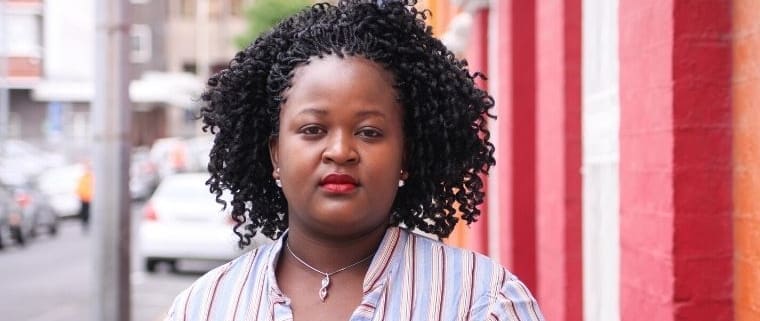
Quelani: I can see where I’m going – life after Women’s Platform

[kc_row _id=”751708″][kc_column _id=”737973″][kc_column_text _id=”474229″]

Quelani had to leave her family behind in Zimbabwe, but found herself a family in South Africa, which she credits the Women’s Platform for. 

Leaving home and losing family support

Zimbabwe was not in a good way after the elections in 2008; attempts at a  coalition government were not successful and atrocities were committed with impunity against opposition supporters. The economy was in dire straits and there were severe food shortages.  In December 2009, Quelani and her husband made the difficult decision to leave their family behind and come to South Africa. 

“When I first arrived in Cape Town, I fell into a depression because of the change of environment, health issues and missing my family. I went from having a big family to just my husband, it was something that I didn’t take very well. I am a family person.” Language barriers made integration difficult. “It was not very easy to meet people. When you are not South African and are in another land where you don’t speak the same language; understanding each other is very difficult.” 

[/kc_column_text][/kc_column][/kc_row][kc_row _id=”934403″ cols_gap=”{`kc-css`:{}}” use_container=”yes” force=”__empty__” css_custom=”{`kc-css`:{`any`:{`box`:{`padding|`:`inherit inherit 20px inherit`}}}}”][kc_column width=”12/12″ video_mute=”no” _id=”408972″][kc_row_inner _id=”926162″ cols_gap=”{`kc-css`:{}}” css_custom=”{`kc-css`:{`any`:{`background`:{`background|`:`eyJjb2xvciI6IiNmMmYyZjIiLCJsaW5lYXJHcmFkaWVudCI6WyIiXSwiaW1hZ2UiOiJub25lIiwicG9zaXRpb24iOiIwJSAwJSIsInNpemUiOiJhdXRvIiwicmVwZWF0IjoicmVwZWF0IiwiYXR0YWNobWVudCI6InNjcm9sbCIsImFkdmFuY2VkIjowfQ==`},`box`:{`padding|`:`30px inherit 30px inherit`}}}}”][kc_column_inner width=”19.93%” _id=”762331″][kc_icon _id=”781680″ icon=”flaticon-quote” css_custom=”{`kc-css`:{`any`:{`icon-style`:{`color|i`:`#db532f`,`font-size|i`:`60px`,`text-align|`:`center`,`padding|i`:`inherit 0px inherit inherit`}}}}”][/kc_column_inner][kc_column_inner width=”80.05%” _id=”605681″][kc_column_text _id=”297997″ css_custom=”{`kc-css`:{`any`:{`typography`:{`color|,p`:`#db532f`,`font-family|,p`:`Poppins`,`font-size|,p`:`18px`,`text-align|,p`:`left`},`box`:{`margin|p`:`inherit 20px inherit 0px`}}}}”]

“When I dropped out [of studies] in Zimbabwe, I was so hurt. I couldn’t explain it and I couldn’t talk about it. I was seeing people being successful because they were going to school. Education is the key, but I couldn’t go to school.”

[/kc_column_text][/kc_column_inner][/kc_row_inner][/kc_column][/kc_row][kc_row _id=”89535″][kc_column _id=”508396″][kc_column_text _id=”456342″]

While still in Zimbabwe, Quelani was studying Travel and Tourism. She was forced to drop out because of the economy. “When I dropped out [of studies] in Zimbabwe, I was so hurt. I couldn’t explain it and I couldn’t talk about it. I was seeing people being successful because they were going to school. Education is the key, but I couldn’t go to school. When I came here to South Africa, I thought it was going to be easy for me to go to college or university, but it was the opposite.” She started working for a guesthouse in Cape Town, trying to keep close to what she loved to do, but the job itself was not for her. This would eventually lead her to Scalabrini. 

Speaking the same language

Quelani found out about Scalabrini at church. She recalls that,  walking into the Scalabrini offices, she gained a kind of family. “When I first walked in here I felt at home, I felt like I belonged here. We all spoke the same language,  the language of love. We are all so united …The bitterness that I had and missing home, it started to disappear” 

After eight years of not being able to study, it was a pivotal moment when Quelani discovered she could continue learning and doing hospitality at Scalabrini. “I was trying to go to school…finally I could go and on top of that, they saw some leadership in me, that I can teach the other ladies. That was so powerful.” Another significant moment for Quelani was realising that she can be helpful in her own community in Cape Town – despite not being South African. 

Purpose and direction

“The biggest help from Scalabrini and Women’s Platform is knowing myself better and doing what I love. I love people. Knowing myself better was so helpful from my education side and my personal life too. There are many things that I am now putting into practise after Personal Development.”

[/kc_column_text][/kc_column][/kc_row][kc_row _id=”646138″ cols_gap=”{`kc-css`:{}}” use_container=”yes” force=”__empty__” css_custom=”{`kc-css`:{`any`:{`box`:{`padding|`:`inherit inherit 20px inherit`}}}}”][kc_column width=”12/12″ video_mute=”no” _id=”679855″][kc_row_inner _id=”799166″ cols_gap=”{`kc-css`:{}}” css_custom=”{`kc-css`:{`any`:{`background`:{`background|`:`eyJjb2xvciI6IiNmMmYyZjIiLCJsaW5lYXJHcmFkaWVudCI6WyIiXSwiaW1hZ2UiOiJub25lIiwicG9zaXRpb24iOiIwJSAwJSIsInNpemUiOiJhdXRvIiwicmVwZWF0IjoicmVwZWF0IiwiYXR0YWNobWVudCI6InNjcm9sbCIsImFkdmFuY2VkIjowfQ==`},`box`:{`padding|`:`30px inherit 30px inherit`}}}}”][kc_column_inner width=”19.93%” _id=”457328″][kc_icon _id=”664390″ icon=”flaticon-quote” css_custom=”{`kc-css`:{`any`:{`icon-style`:{`color|i`:`#db532f`,`font-size|i`:`60px`,`text-align|`:`center`,`padding|i`:`inherit 0px inherit inherit`}}}}”][/kc_column_inner][kc_column_inner width=”80.05%” _id=”570808″][kc_column_text _id=”614776″ css_custom=”{`kc-css`:{`any`:{`typography`:{`color|,p`:`#db532f`,`font-family|,p`:`Poppins`,`font-size|,p`:`18px`,`text-align|,p`:`left`},`box`:{`margin|p`:`inherit 20px inherit 0px`}}}}”]

“Back in Zimbabwe, I am a village girl. I thought I couldn’t do anything, life was always about looking up to men and they must do everything for us, but after I came here things changed. I see that women can do anything, even the things that men do. I can see where I am going.”

[/kc_column_text][/kc_column_inner][/kc_row_inner][/kc_column][/kc_row][kc_row _id=”393300″][kc_column _id=”847784″][kc_column_text _id=”263890″]

Quelani dreams of having her own catering company in the future.  She would also like to help teach and empower the women in her own community, not just at Scalabrini. “Most people from Atlantis find it difficult to reach Scalabrini, so I wish to have some days when I can teach women, so I can be empowering other women like me and show them that there are better things that they can do, other than staying at home.” Scalabrini has helped Quelani in regards with her self-esteem too. “Back in Zimbabwe, I am a village girl. I thought I couldn’t do anything, life was always about looking up to men and they must do everything for us, but after I came here things changed. I see that women can do anything, even the things that men do. I can see where I am going.”

[/kc_column_text][/kc_column][/kc_row]

scalabrini success story unite 071019

Nzenze: Finding A Place with UNITE

[kc_row _id=”984732″][kc_column _id=”633945″][kc_column_text _id=”31190″]

Nzenze, 17, is currently enrolled in the eleventh grade at Vista High School and is an active member of UNITE, where learning about diversity has taught him to celebrate his unique identity.

Growing Up a Second Generation Immigrant

 Nzenze is the youngest of four children. He was born and raised in South Africa, but his parents both migrated from the Democratic Republic of Congo (DRC). Growing up in South Africa has been a struggle for him because he recognises the detachment between his parents’ experiences and his own. He does not feel that he connects with his Congolese mother tongue, for example, due to his South African accent. “Sometimes, the difference can be hard. It can feel like you don’t belong,” he reflects. However, Nzenze goes on to say that growing up surrounded by such cultural diversity has made him more open to difference than he would have been if he was raised in the Congo.

[/kc_column_text][/kc_column][/kc_row][kc_row _id=”20804″][kc_column width=”12/12″ video_mute=”no” _id=”780049″][kc_row_inner _id=”776295″ cols_gap=”{`kc-css`:{}}” css_custom=”{`kc-css`:{`any`:{`background`:{`background|`:`eyJjb2xvciI6IiNmMmYyZjIiLCJsaW5lYXJHcmFkaWVudCI6WyIiXSwiaW1hZ2UiOiJub25lIiwicG9zaXRpb24iOiIwJSAwJSIsInNpemUiOiJhdXRvIiwicmVwZWF0IjoicmVwZWF0IiwiYXR0YWNobWVudCI6InNjcm9sbCIsImFkdmFuY2VkIjowfQ==`},`box`:{`padding|`:`30px inherit 30px inherit`}}}}”][kc_column_inner width=”19.93%” _id=”201709″][kc_icon _id=”158915″ icon=”flaticon-quote” css_custom=”{`kc-css`:{`any`:{`icon-style`:{`color|i`:`#db532f`,`font-size|i`:`60px`,`text-align|`:`center`,`padding|i`:`inherit 0px inherit inherit`}}}}”][/kc_column_inner][kc_column_inner width=”80.05%” _id=”669095″][kc_column_text _id=”913929″ css_custom=”{`kc-css`:{`any`:{`typography`:{`color|,p`:`#db532f`,`font-family|,p`:`Poppins`,`font-size|,p`:`18px`,`text-align|,p`:`left`},`box`:{`margin|p`:`inherit 20px inherit 0px`}}}}”]

“At first, I was afraid to join because they told us that everyone at school would look at us as leaders. I thought, what if confident people look up to me and realise I am shy; it will mess up the dynamic!”

[/kc_column_text][/kc_column_inner][/kc_row_inner][/kc_column][/kc_row][kc_row _id=”447850″][kc_column _id=”909737″][kc_column_text _id=”707410″]

UNITE As a Tool to Promote Personal Growth

“UNITE made me see how much we can learn from different people instead of judging and criticising,” Nzenze says. UNITE aims to promote acceptance and critical thinking in youth living in South Africa by facilitating programs which explore the themes of identity, integration and diversity. Students participate in activities which encourage them to think critically about their contribution to communities and effective ways to enact change. Initially, though enticed by the promise of building leadership skills and a strong community, Nzenze was rather apprehensive to join UNITE. “I used to be very shy,” he begins, “but I knew I wanted to be a part of it. I had to jump at the opportunity, because if I let it go, I’d continue to be shy forever.”

“At first, I was afraid to join because they told us that everyone at school would look at us as leaders. I thought, what if confident people look up to me and realise I am shy; it will mess up the dynamic!” Nzenze credits the shift in his confidence to his experience at UNITE camp, which was the first time he gathered the courage to actively participate in debate. Now, students recognise Nzenze for how articulate he is. “People say ‘let him go’ when it’s time to present because they like the way I speak,” he mentions.

 Discovering the Value of Diversity

Aside from debate, UNITE has introduced Nzenze to the inclusive worldview he now possesses. “The biggest topic I learned through UNITE was about diversity. Diversity brings new ideas. For me, it’s the best thing that happens to people. You can learn dances and styles of dress and even see that your lifestyles are not that different.”

Nzenze appreciates the fact that his mixed identity allows him to relate to multiple groups. “It’s nice to have different accents and be able to adapt. I am comfortable with people of different races. One of my best friends is Xhosa. Sometimes he tries to speak my language and asks me what things mean in my language. Jade [UNITE programme leader] defines the term of us uniting. I looked around and realised we are united.”

[/kc_column_text][/kc_column][/kc_row][kc_row _id=”889191″][kc_column width=”12/12″ video_mute=”no” _id=”684216″][kc_row_inner _id=”534726″ cols_gap=”{`kc-css`:{}}” css_custom=”{`kc-css`:{`any`:{`background`:{`background|`:`eyJjb2xvciI6IiNmMmYyZjIiLCJsaW5lYXJHcmFkaWVudCI6WyIiXSwiaW1hZ2UiOiJub25lIiwicG9zaXRpb24iOiIwJSAwJSIsInNpemUiOiJhdXRvIiwicmVwZWF0IjoicmVwZWF0IiwiYXR0YWNobWVudCI6InNjcm9sbCIsImFkdmFuY2VkIjowfQ==`},`box`:{`padding|`:`30px inherit 30px inherit`}}}}”][kc_column_inner width=”19.93%” _id=”879211″][kc_icon _id=”346174″ icon=”flaticon-quote” css_custom=”{`kc-css`:{`any`:{`icon-style`:{`color|i`:`#db532f`,`font-size|i`:`60px`,`text-align|`:`center`,`padding|i`:`inherit 0px inherit inherit`}}}}”][/kc_column_inner][kc_column_inner width=”80.05%” _id=”827874″][kc_column_text _id=”392417″ css_custom=”{`kc-css`:{`any`:{`typography`:{`color|,p`:`#db532f`,`font-family|,p`:`Poppins`,`font-size|,p`:`18px`,`text-align|,p`:`left`},`box`:{`margin|p`:`inherit 20px inherit 0px`}}}}”]

“The biggest topic I learned through UNITE was about diversity. Diversity brings new ideas. For me, it’s the best thing that happens to people. You can learn dances and styles of dress and even see that your lifestyles are not that different.”

[/kc_column_text][/kc_column_inner][/kc_row_inner][/kc_column][/kc_row]

scalabrini success story malaika unite

Malaika: Learning to Love Myself

[kc_row use_container=”yes” force=”no” column_align=”middle” video_mute=”no” _id=”486146″][kc_column width=”12/12″ video_mute=”no” _id=”4177″][kc_column_text _id=”283160″ css_custom=”{`kc-css`:{`any`:{`box`:{`padding|`:`20px inherit inherit inherit`}}}}”]

Malaika, 16, is in grade ten at Sea Point High and has been a member of UNITE for the past two years. Her involvement has taught her a lot about the importance of confidence and self-love.

Discovering the Beauty of Integration

Malaika was born in Cape Town and raised in Gugulethu. She joined UNITE two years ago, and it has played quite a significant role in shaping Malaika’s social life at Sea Point High. “Before UNITE, I never thought I would be friends with people who aren’t black. I have been surrounded by black people my whole life, so I just expected to feel a connection with black students more than others.”

Malaika went on to explain that the topics she was introduced to through UNITE shifted her worldview. “We talk about integration and it has opened my mind to a lot of things. Here at school, you find different kinds of people who segregate themselves from each other. UNITE has given me the confidence to get up and talk to them. Now, I am open to having relationships with people I would not see in my own community.” 

[/kc_column_text][/kc_column][/kc_row][kc_row _id=”419828″][kc_column width=”12/12″ video_mute=”no” _id=”389754″][kc_row_inner _id=”243392″ cols_gap=”{`kc-css`:{}}” css_custom=”{`kc-css`:{`any`:{`background`:{`background|`:`eyJjb2xvciI6IiNmMmYyZjIiLCJsaW5lYXJHcmFkaWVudCI6WyIiXSwiaW1hZ2UiOiJub25lIiwicG9zaXRpb24iOiIwJSAwJSIsInNpemUiOiJhdXRvIiwicmVwZWF0IjoicmVwZWF0IiwiYXR0YWNobWVudCI6InNjcm9sbCIsImFkdmFuY2VkIjowfQ==`},`box`:{`padding|`:`30px inherit 30px inherit`}}}}”][kc_column_inner width=”19.93%” _id=”547142″][kc_icon _id=”726174″ icon=”flaticon-quote” css_custom=”{`kc-css`:{`any`:{`icon-style`:{`color|i`:`#db532f`,`font-size|i`:`60px`,`text-align|`:`center`,`padding|i`:`inherit 0px inherit inherit`}}}}”][/kc_column_inner][kc_column_inner width=”80.05%” _id=”953503″][kc_column_text _id=”765552″ css_custom=”{`kc-css`:{`any`:{`typography`:{`color|,p`:`#db532f`,`font-family|,p`:`Poppins`,`font-size|,p`:`18px`,`text-align|,p`:`left`},`box`:{`margin|p`:`inherit 20px inherit 0px`}}}}”]

“Hearing what people say about you can determine how you feel about yourself, when you should be in charge of that. I had to realise that there is much more to life than being a certain size, or getting likes on Facebook and Instagram. If I’m going to base my life on that, I’m not going to live my life the way I want.”

[/kc_column_text][/kc_column_inner][/kc_row_inner][/kc_column][/kc_row][kc_row _id=”362947″][kc_column _id=”763498″][kc_column_text _id=”76863″ css_custom=”{`kc-css`:{`any`:{`box`:{`padding|`:`20px inherit inherit inherit`}}}}”]

Change Starts From Within

High school has challenged Malaika beyond just engaging with her peers. UNITE has taught her to continuously question her actions and beliefs. 

“In grades eight and nine, I dealt with a lot of self-image problems, to the point that I became a vegetarian.” Malaika blames the media for instilling the pressure she felt to look a certain way. However, UNITE ignited meaningful dialogue that taught her to prioritise her own ideals over socially-imposed ones. 

“Hearing what people say about you can determine how you feel about yourself, when you should be in charge of that. I had to realise that there is much more to life than being a certain size, or getting likes on Facebook and Instagram. If I’m going to base my life on that, I’m not going to live my life the way I want.”

Malaika’s self-assurance can be observed in casual conversation, but she mentions that exuding confidence has not come naturally. She describes coping with judgement and negativity as an intimate process. “When you’re at home, sitting in your room dealing with these things, you look into the mirror and see it’s just you. When it comes to dealing with what people say, it’s just you.”

Practicing What You Preach

Malaika plans to spread the importance of seeking self-validation to her younger peers. She is doing so by starting an organisation whose sole purpose is to encourage girls to be comfortable and confident in their own skin. She plans to facilitate group discussions and build a community of support for girls who face similar struggles.

Furthermore, Malaika’s ambition extends beyond the halls of her school. In the future, she plans to become a human rights activist, and to advocate for the rights of marginalised individuals. Equipped with her tenacity and drive, Malaika is sure to find success wherever she turns.

[/kc_column_text][/kc_column][/kc_row][kc_row _id=”445566″][kc_column width=”12/12″ video_mute=”no” _id=”696881″][kc_row_inner _id=”765365″ cols_gap=”{`kc-css`:{}}” css_custom=”{`kc-css`:{`any`:{`background`:{`background|`:`eyJjb2xvciI6IiNmMmYyZjIiLCJsaW5lYXJHcmFkaWVudCI6WyIiXSwiaW1hZ2UiOiJub25lIiwicG9zaXRpb24iOiIwJSAwJSIsInNpemUiOiJhdXRvIiwicmVwZWF0IjoicmVwZWF0IiwiYXR0YWNobWVudCI6InNjcm9sbCIsImFkdmFuY2VkIjowfQ==`},`box`:{`padding|`:`30px inherit 30px inherit`}}}}”][kc_column_inner width=”19.93%” _id=”868632″][kc_icon _id=”458332″ icon=”flaticon-quote” css_custom=”{`kc-css`:{`any`:{`icon-style`:{`color|i`:`#db532f`,`font-size|i`:`60px`,`text-align|`:`center`,`padding|i`:`inherit 0px inherit inherit`}}}}”][/kc_column_inner][kc_column_inner width=”80.05%” _id=”911810″][kc_column_text _id=”334142″ css_custom=”{`kc-css`:{`any`:{`typography`:{`color|,p`:`#db532f`,`font-family|,p`:`Poppins`,`font-size|,p`:`18px`,`text-align|,p`:`left`},`box`:{`margin|p`:`inherit 20px inherit 0px`}}}}”]

“Now, I am open to having relationships with people I would not see in my own community.” 

[/kc_column_text][/kc_column_inner][/kc_row_inner][/kc_column][/kc_row]

scalabrini success story isaac

Isaac: On the Path to Emergency Medicine with the Employment Access Programme

[kc_row use_container=”yes” force=”no” column_align=”middle” video_mute=”no” _id=”408769″][kc_column width=”12/12″ video_mute=”no” _id=”629960″][kc_column_text _id=”880461″ css_custom=”{`kc-css`:{}}”]

Isaac was 25 years old when he left his home, the Democratic Republic of Congo (DRC) and made the journey to South Africa, alone. After spending time in Zambia and Zimbabwe, he arrived in Cape Town where he is now pursuing his dream of getting a Bachelor’s Degree in Emergency Care from the Cape Peninsula University of Technology. Isaac reflects on how the Scalabrini Employment Access Programme fitted in with his journey.

Arriving in South Africa

Back home in DRC, Isaac had completed nursing school and was working for an NGO. He was also involved in politics, but was aware of the fact that when you speak the truth in a country facing political instability, you can quickly become a target. Very sadly, an eruption of conflict saw Isaac losing members of his family. Others fled in different directions. He made the decision to leave his home, with no idea of where he would end up. 

Isaac describes his arrival in South Africa as a difficult time. “It was a very difficult situation. My first time in Cape Town was lonely, arriving in a place where you don’t know anyone, with no family. I spoke no English. It was very, very tough, but because I was determined I kept going until today.”

Finding Scalabrini

Through the Congolese community, Isaac found the Scalabrini Centre and the right programme to guide him in the direction he was wanting to go. He joined the Employment Access Programme where it was discovered that the South African Nursing Council did not recognise his qualifications, so his studying venture in South Africa began. 

Furthering His Education

“I applied at the Cape Peninsula University of Technology (CPUT) six times. I applied, they rejected, I applied, they rejected, but I kept on trying. In the meantime I was doing extra courses, like first aid, nursing courses, basic life support. I was doing that in order to meet the requirements of the university.” In 2017, Isaac met the requirements and was accepted into both Radiology and Emergency Services. He chose Emergency Services. 

Staying Positive

It has not been the smoothest journey for Isaac. CPUT does not provide bursaries for foreign students, which means that Isaac works night shifts at the Cape Town Mediclinic trauma centre and studies during the day. This does not leave him with much time, and he has had to re-do a few subjects. 

While Isaac is focused on graduating, he remains aware of the hardship facing his community. “I don’t just want to be focused on myself. So far I have tried hard, and I am somewhere, but I’m also thinking about other people who are on the same journey. If I can graduate it will be a plus for me, a plus for the Congolese community and a plus for other foreign communities in general as I will be better equipped to help them. When we help more people, we create the positive cycle and reduce suffering in our communities.”

Want to take action?

If you are able to help in any way, Isaac has a BackABuddy account where people can donate money to help pay for his studies. The donations will go straight to the account of CPUT. The link is provided below. 

https://www.backabuddy.co.za/champion/project/isaac-mulumba

[/kc_column_text][/kc_column][/kc_row][kc_row _id=”965861″][kc_column width=”12/12″ video_mute=”no” _id=”791066″][/kc_column][/kc_row]

lawrence-video-Prosecutor-Cleaner-Chef-immigration-refugee

Laurence: Prosecutor, Cleaner and Volunteer through Employment Access Programme

[kc_row use_container=”yes” force=”no” column_align=”middle” video_mute=”no” _id=”804041″][kc_column width=”12/12″ video_mute=”no” _id=”565746″][kc_column_text _id=”462485″ css_custom=”{`kc-css`:{`any`:{`box`:{`padding|`:`20px inherit inherit inherit`}}}}”]

We hear from Laurence, a prosecutor from the Democratic Republic of Congo (DRC), who has worked as a cleaner, cook and volunteer here in South Africa. Now, with the assistance of the Employment Access Programme, she is rising through the ranks, and reconnecting with her passion.

Fleeing the Democratic Republic of Congo

Laurence is a strong woman. In DRC, she was driven to become a prosecutor because women “didn’t have a say in the family and in society.” Laurence explains that it was her goal “to target all men who abuse women”. It was ultimately also this fire and passion that forced her to leave. When Laurence sentenced one particularly powerful man to prison, she began receiving death threats. “In Congo, when someone promises to rape and kill you, you better take that threat seriously. You have to run for your life.” Laurence fled to another city in DRC. There, she was warned that she was still not safe – and so she started her journey to South Africa.

Solidarity with South Africa

Laurence remembers the way Congolese people had helped South Africans during apartheid. “We prayed for South Africa from afar. We could feel the pain of people in South Africa. Growing up, I thought we are one with South African people.” This bond and sense of solidarity with South Africa encouraged her to seek asylum here. The reality of South Africa was, however, rather different to what she had expected.
Faced with a new country and a new language, Laurence found work as a cleaner and then a pizza chef. She worked these jobs for nearly a decade. Deeply frustrated that she could not use her legal skills, Laurence quit her jobs and started to volunteer at a primary school. She has worked her way up and is now vice chairperson of the school board.

Connecting to opportunities

Laurence sought assistance at the Employment Access Programme, which connects documented clients to job opportunities through skill training and professional development.

Here, Laurence’s legal qualifications were submitted to the South Africa Qualifications Authority (SAQA) and, whilst awaiting the outcome, she was connected to opportunities in French-English translation – including at a legal conference hosted by the Bertha Foundation. Finally, Laurence is starting to re-grow connections into the legal world. She sees her experience as a refugee as a key aspect to her upcoming opportunities.

A dream of home

Once the violence has subsided, Laurence hopes to return home to DRC. She’d like to resume her role of prosecutor. For other people in a similar situation, Laurence says: “I understand the pressures of everyday life, but it is important to follow your dreams and not only concentrate on working for money, because sometimes we have to make sacrifices in our life to reach our goals”.

[/kc_column_text][/kc_column][/kc_row][kc_row _id=”470165″][kc_column width=”12/12″ video_mute=”no” _id=”915317″][kc_single_image image_size=”full” _id=”304777″ image_source=”media_library” image=”3703″ css_custom=”{`kc-css`:{`any`:{`image-style`:{`text-align|`:`center`}}}}”][/kc_column][/kc_row][kc_row _id=”149552″][kc_column width=”12/12″ video_mute=”no” _id=”321096″][kc_video_play video_link=”https://youtu.be/SntvdexZmto” video_mute=”__empty__” video_width=”700″ loop=”yes” control=”yes” related=”__empty__” showinfo=”__empty__” _id=”558249″ source=”youtube” css_custom=”{`kc-css`:{`any`:{`typography`:{`text-align|`:`center`},`box`:{`padding|`:`20px inherit inherit inherit`}}}}”][/kc_column][/kc_row]

Cape Town Stella Client Story

Stella: Lessons of Strength and Independence From Lawrence House

[kc_row use_container=”yes” force=”no” column_align=”middle” video_mute=”no” _id=”393863″][kc_column width=”12/12″ video_mute=”no” _id=”886768″][kc_column_text _id=”850947″ css_custom=”{`kc-css`:{`any`:{`box`:{`padding|`:`20px inherit inherit inherit`}}}}”]

<br?Stella, 21, arrived in South Africa in 2008 after migrating from the Democratic Republic of Congo (DRC) with her uncle. After adjusting to life in Cape Town, Stella was ready to resume her education; she and her uncle looked to Lawrence house, a child and youth care center registered with the Department of Social Development, for support. Lawrence house specializes in the care and protection of unaccompanied foreign minors and refugee children, as well as children who have experienced trauma.</br?

A Family Reunion

The transition from living with her uncle to moving into Lawrence house was eased by the fact that two of her brothers (one older, one younger), were already there. Stella had been disconnected from her brothers for almost two years. Eager to pick up where they left off, Stella believes that the time they spent apart made their relationship stronger.

Stella describes having positive, and even familial relationships with other children in the house. She believes that their similar backgrounds prevented feelings of isolation, and allowed themselves to better relate to one another. “Half of us came from the same place, from the DRC, some Angolans, so I didn’t feel insecure of my background; we had the same struggles, same challenges,” she says.

Developing Skills and Meaningful Relationships

Lawrence House invests in the personal development of its children. Growing up, Stella regularly attended dance classes, and the program facilitated a multitude of other activities like karate, cooking classes, weekend picnics, trips to the movies, in addition to providing emotional support resources like counseling and therapy. “Every week, we had something to do,” Stella reminisces. “We did not watch TV on a regular basis because there were so many other things taking place at the house, good activities.”

Leadership and staff at Lawrence house played a crucial role in shaping Stella’s experience, and she describes the depth and significance of these relationships fondly. “I bonded with Auntie K and Uncle Jeff the most. They taught me that life is about challenges, and that overcoming challenge is what gives you strength. They also provided comfort for me when I was missing my family.”

[/kc_column_text][/kc_column][/kc_row][kc_row _id=”138319″][kc_column width=”12/12″ video_mute=”no” _id=”198510″][kc_row_inner _id=”3346″ cols_gap=”{`kc-css`:{}}” css_custom=”{`kc-css`:{`any`:{`background`:{`background|`:`eyJjb2xvciI6IiNmMmYyZjIiLCJsaW5lYXJHcmFkaWVudCI6WyIiXSwiaW1hZ2UiOiJub25lIiwicG9zaXRpb24iOiIwJSAwJSIsInNpemUiOiJhdXRvIiwicmVwZWF0IjoicmVwZWF0IiwiYXR0YWNobWVudCI6InNjcm9sbCIsImFkdmFuY2VkIjowfQ==`},`box`:{`padding|`:`30px inherit 30px inherit`}}}}”][kc_column_inner width=”19.93%” _id=”196864″][kc_icon _id=”692818″ icon=”flaticon-quote” css_custom=”{`kc-css`:{`any`:{`icon-style`:{`color|i`:`#db532f`,`font-size|i`:`60px`,`text-align|`:`center`,`padding|i`:`inherit 0px inherit inherit`}}}}”][/kc_column_inner][kc_column_inner width=”80.05%” _id=”357323″][kc_column_text _id=”753642″ css_custom=”{`kc-css`:{`any`:{`typography`:{`color|,p`:`#db532f`,`font-family|,p`:`Poppins`,`font-size|,p`:`18px`,`text-align|,p`:`left`},`box`:{`margin|p`:`inherit 20px inherit 0px`}}}}”]

They taught me that life is about challenges, and that overcoming challenge is what gives you strength. They also provided comfort for me when I was missing my family.”

[/kc_column_text][/kc_column_inner][/kc_row_inner][/kc_column][/kc_row][kc_row _id=”126118″][kc_column _id=”330033″][kc_column_text _id=”305045″ css_custom=”{`kc-css`:{`any`:{`box`:{`padding|`:`20px inherit inherit inherit`}}}}”]

Pursuing a Passion for Fashion

In addition to emotional support, staff at Lawrence House assist youth to pursue fields of work and study that are suitable for their skills and interests. The manager of Lawrence house, known to Stella as Aunt Gulia, guided her through the process of applying to university. “She explained what certain things were, helped me with processing papers- they don’t let you leave Lawrence house without having something to do. Even if it’s not university, they will help you find a short-term job and get on your feet before letting you go,” says Stella.

Stella is currently a textile engineering student at the Cape Peninsula University of Technology. She recalls growing up with a passion for clothing design, and feels challenged and fulfilled by her studies. “My courses come along with a lot of theories. It isn’t just about drawing designs; there’s a lot more to the field, and I have learned so much.”

Stella plans to finish university this year, and her long-term goal is to work until she can afford to bring the rest of her family from the DRC to South Africa. “In terms of my decisions and choices, I can say that I wouldn’t be the person that I am today without Lawrence house. I’m a stronger person because of my experience there. I always think back to the lessons staff members gave me. Before, I wasn’t as strong as I am now, but I can make decisions that I’m sure will work in my way,” she reflects.

[/kc_column_text][/kc_column][/kc_row][kc_row _id=”228768″][kc_column width=”12/12″ video_mute=”no” _id=”165137″][kc_row_inner _id=”256168″ cols_gap=”{`kc-css`:{}}” css_custom=”{`kc-css`:{`any`:{`background`:{`background|`:`eyJjb2xvciI6IiNmMmYyZjIiLCJsaW5lYXJHcmFkaWVudCI6WyIiXSwiaW1hZ2UiOiJub25lIiwicG9zaXRpb24iOiIwJSAwJSIsInNpemUiOiJhdXRvIiwicmVwZWF0IjoicmVwZWF0IiwiYXR0YWNobWVudCI6InNjcm9sbCIsImFkdmFuY2VkIjowfQ==`},`box`:{`padding|`:`30px inherit 30px inherit`}}}}”][kc_column_inner width=”19.93%” _id=”43115″][kc_icon _id=”48128″ icon=”flaticon-quote” css_custom=”{`kc-css`:{`any`:{`icon-style`:{`color|i`:`#db532f`,`font-size|i`:`60px`,`text-align|`:`center`,`padding|i`:`inherit 0px inherit inherit`}}}}”][/kc_column_inner][kc_column_inner width=”80.05%” _id=”570489″][kc_column_text _id=”307315″ css_custom=”{`kc-css`:{`any`:{`typography`:{`color|,p`:`#db532f`,`font-family|,p`:`Poppins`,`font-size|,p`:`18px`,`text-align|,p`:`left`},`box`:{`margin|p`:`inherit 20px inherit 0px`}}}}”]

“In terms of my decisions and choices, I can say that I wouldn’t be the person that I am today without Lawrence house. I’m a stronger person because of my experience there.

[/kc_column_text][/kc_column_inner][/kc_row_inner][/kc_column][/kc_row]

Cape Town Vincent Client Story

Vincent: Opening your mind to others through UNITE

[kc_row use_container=”yes” force=”no” column_align=”middle” video_mute=”no” _id=”657573″][kc_column width=”12/12″ video_mute=”no” _id=”185865″][kc_column_text css_custom=”{`kc-css`:{`any`:{`box`:{`padding|`:`20px inherit inherit inherit`}}}}” _id=”247971″]

Nineteen-year-old Vincent is set to complete twelfth grade in a few months. Reflecting back on his time at school, he credits UNITE for much of the person he is today.

The attraction to UNITE

UNITE, Scalabrini’s youth program, explores issues of identity, integration and diversity with young people. Working collaboratively from within the South African secondary education system, UNITE provides a unique extra-curricular curriculum that promotes activism and critical thought.

Vincent first learnt about UNITE from a school announcement. “I thought I would check it out as it sounded interesting. The facilitator explained that the programme would help you to become the best version of yourself. What attracted me was that the main focus of the programme was unity, diversity, identity. I thought this program can build a character in me that I will need forever.” Vincent signed up immediately. Three years later, he continues to be an active member of UNITE’s Inter Club Council (ICC).

Each school has a UNITE Club which is led by peer elected ICC members. ICC members attend themed workshops at the Scalabrini Centre in preparation to lead discussions at their schools UNITE Club.

Challenging perspectives on LGBTIQ

UNITE has exposed Vincent to topics that have challenged his perspectives. One tangible change is his attitude towards LGBTIQ issues. “I used to see people in the LGBTIQ category as people who were inhumane or beasts. I was telling myself that you have to live life a certain way; in the way you are expected to live. The discussions we had in UNITE made me question my perspective and challenged my way of thinking. It made me more accepting of how others live. I no longer judge a person by how they feel, what they believe in or on their walk in life. Instead, I now look at them for the person they are. This would have never happened without this program. It has been absolutely life changing”.

Emotional support and safe spaces

UNITE is not only about developing perspectives; it crafts a unique, safe and intimate space for the participants. “I’ve never felt as free as I do at UNITE. It’s an very safe environment,” Vincent describes. He recalls a reflection session held at a UNITE camp in 2016 and the emotion that filled the room as people started to share past experiences. “They were in tears. This is not just a program that builds and develops us; it also counsels us and supports us.”

[/kc_column_text][/kc_column][/kc_row][kc_row _id=”740409″][kc_column width=”12/12″ video_mute=”no” _id=”365643″][kc_row_inner _id=”538848″ cols_gap=”{`kc-css`:{}}” css_custom=”{`kc-css`:{`any`:{`background`:{`background|`:`eyJjb2xvciI6IiNmMmYyZjIiLCJsaW5lYXJHcmFkaWVudCI6WyIiXSwiaW1hZ2UiOiJub25lIiwicG9zaXRpb24iOiIwJSAwJSIsInNpemUiOiJhdXRvIiwicmVwZWF0IjoicmVwZWF0IiwiYXR0YWNobWVudCI6InNjcm9sbCIsImFkdmFuY2VkIjowfQ==`},`box`:{`padding|`:`30px inherit 30px inherit`}}}}”][kc_column_inner width=”19.93%” _id=”96077″][kc_icon _id=”527755″ icon=”flaticon-quote” css_custom=”{`kc-css`:{`any`:{`icon-style`:{`color|i`:`#db532f`,`font-size|i`:`60px`,`text-align|`:`center`,`padding|i`:`inherit 0px inherit inherit`}}}}”][/kc_column_inner][kc_column_inner width=”80.05%” _id=”421929″][kc_column_text _id=”898969″ css_custom=”{`kc-css`:{`any`:{`typography`:{`color|,p`:`#db532f`,`font-family|,p`:`Poppins`,`font-size|,p`:`18px`,`text-align|,p`:`left`},`box`:{`margin|p`:`inherit 20px inherit 0px`}}}}”]

“They were in tears. This is not just a program that builds and develops us; it also counsels us and supports us.”

[/kc_column_text][/kc_column_inner][/kc_row_inner][/kc_column][/kc_row][kc_row _id=”36452″][kc_column _id=”797143″][kc_column_text _id=”280162″ css_custom=”{`kc-css`:{`any`:{`box`:{`padding|`:`20px inherit inherit inherit`}}}}”]

Vincent’s experience with UNITE changed his mind set significantly. Perhaps more importantly, it is youth like Vincent who will invoke long term change in attitudes towards others in South Africa. Indeed, this fits in with UNITE’s wider goal: to work towards a society that is inclusive and accepting of others regardless of their race, nationality, religion, gender or sexuality.

[/kc_column_text][/kc_column][/kc_row]
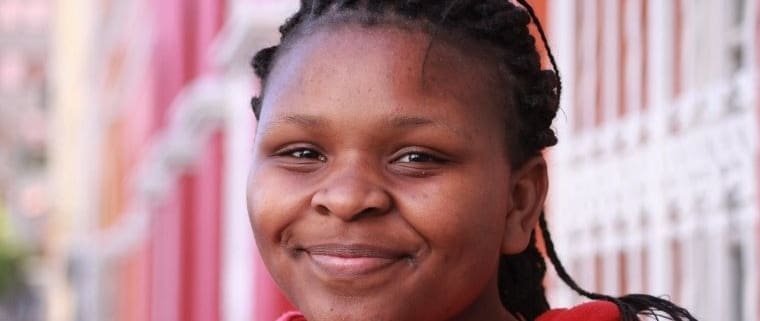
Zam Zam: Empowering Women’s Platform With Education

[kc_row use_container=”yes” force=”no” column_align=”middle” video_mute=”no” _id=”631214″][kc_column width=”12/12″ video_mute=”no” _id=”619225″][kc_column_text _id=”240548″ css_custom=”{`kc-css`:{`any`:{`box`:{`padding|`:`20px inherit inherit inherit`}}}}”]

Zam Zam, an active member of Scalabrini’s Women’s Platform, has found her calling as an advocate for integration. Her leadership skills, coupled with a strong sense of identity, have served as an impactful combination.

Journey to South Africa

Political instability drove Zam Zam Hirsi out of her home in Somalia and into a Kenyan refugee camp, where she spent her much of her childhood and early adolescence. After a period of sustained peace in Somalia, Zam Zam returned home in 2002, hopeful to resume the life she once knew. Shortly after her arrival, however, the political instability that drove her away resumed. Equipped with enough money for only one of them to escape, her mother insisted she go.

Zam Zam sought refuge back in Kenya, but was turned away at the border and threatened with arrest. After a long and dangerous journey, she arrived in South Africa in 2003. At the time, the process of seeking official refugee status was considerably different than it is today. “Things were not so bad then,” she begins. “Refugees were few and home affairs was an easy process, so I got refugee status very quickly.”

Getting Right to Work

Shortly after her arrival, Zam Zam served as a translator and facilitator for other refugee women seeking stability. She describes her first experience advocating on behalf of a group of widowed women. “I went with them to the cemetery, undertakers, and set up meetings with UCT between these very traumatized women who had to go to counseling. UCT saw that I was the only facilitator and I ended up seeing that these women needed a voice. I started to think, this is where I belong.”

[/kc_column_text][/kc_column][/kc_row][kc_row _id=”826631″][kc_column width=”12/12″ video_mute=”no” _id=”961304″][kc_row_inner _id=”372576″ cols_gap=”{`kc-css`:{}}” css_custom=”{`kc-css`:{`any`:{`background`:{`background|`:`eyJjb2xvciI6IiNmMmYyZjIiLCJsaW5lYXJHcmFkaWVudCI6WyIiXSwiaW1hZ2UiOiJub25lIiwicG9zaXRpb24iOiIwJSAwJSIsInNpemUiOiJhdXRvIiwicmVwZWF0IjoicmVwZWF0IiwiYXR0YWNobWVudCI6InNjcm9sbCIsImFkdmFuY2VkIjowfQ==`},`box`:{`padding|`:`30px inherit 30px inherit`}}}}”][kc_column_inner width=”19.93%” _id=”373926″][kc_icon _id=”97319″ icon=”flaticon-quote” css_custom=”{`kc-css`:{`any`:{`icon-style`:{`color|i`:`#db532f`,`font-size|i`:`60px`,`text-align|`:`center`,`padding|i`:`inherit 0px inherit inherit`}}}}”][/kc_column_inner][kc_column_inner width=”80.05%” _id=”159208″][kc_column_text _id=”111068″ css_custom=”{`kc-css`:{`any`:{`typography`:{`color|,p`:`#db532f`,`font-family|,p`:`Poppins`,`font-size|,p`:`18px`,`text-align|,p`:`left`},`box`:{`margin|p`:`inherit 20px inherit 0px`}}}}”]

I started to think, this is where I belong.”

[/kc_column_text][/kc_column_inner][/kc_row_inner][/kc_column][/kc_row][kc_row _id=”839077″][kc_column _id=”896013″][kc_column_text _id=”633016″ css_custom=”{`kc-css`:{`any`:{`box`:{`padding|`:`20px inherit inherit inherit`}}}}”]

Zam Zam was then introduced to Scalabrini, where she began as a member of the Women’s Platform in 2008. She became one of the group leaders among the women’s leadership program, and found fulfillment in this role because it allowed her to meet and connect with other refugee women. Zam Zam went on to help Scalabrini establish credibility within her community. “They [Scalabrini] played a big role in fighting xenophobia in 2008, and because I am in the center of the refugee community, I helped Scalabrini develop a reputation of trust.”

Impactful Education

Today, Zam Zam leads integration workshops for members of the Women’s Platform. She advocates for the importance of active community involvement. Following her own advice, she is the first non-South African woman to be part of the Community Policing Forum where she lives. “In my area, there are no Somalis. I spoke for the foreign, the Somali shop owners. Sometimes in meetings, the police would blame Somalis, so I represented the good business owners and non-South Africans. I am a spokesperson not just for Somalis, but for the whole community.”

Zam Zam believes the future of integration lies in educating young women. “I only have one vision, and that is to work for my community, and also to achieve more by educating young girls and women, empowering them with information. If you give money today, the money might end next week. But with information, they can empower themselves…I see myself working more and more until it’s the new norm that women can be active in the community.”

[/kc_column_text][/kc_column][/kc_row][kc_row _id=”419788″][kc_column width=”12/12″ video_mute=”no” _id=”838826″][kc_row_inner _id=”272514″ cols_gap=”{`kc-css`:{}}” css_custom=”{`kc-css`:{`any`:{`background`:{`background|`:`eyJjb2xvciI6IiNmMmYyZjIiLCJsaW5lYXJHcmFkaWVudCI6WyIiXSwiaW1hZ2UiOiJub25lIiwicG9zaXRpb24iOiIwJSAwJSIsInNpemUiOiJhdXRvIiwicmVwZWF0IjoicmVwZWF0IiwiYXR0YWNobWVudCI6InNjcm9sbCIsImFkdmFuY2VkIjowfQ==`},`box`:{`padding|`:`30px inherit 30px inherit`}}}}”][kc_column_inner width=”19.93%” _id=”382279″][kc_icon _id=”668181″ icon=”flaticon-quote” css_custom=”{`kc-css`:{`any`:{`icon-style`:{`color|i`:`#db532f`,`font-size|i`:`60px`,`text-align|`:`center`,`padding|i`:`inherit 0px inherit inherit`}}}}”][/kc_column_inner][kc_column_inner width=”80.05%” _id=”348898″][kc_column_text _id=”846349″ css_custom=”{`kc-css`:{`any`:{`typography`:{`color|,p`:`#db532f`,`font-family|,p`:`Poppins`,`font-size|,p`:`18px`,`text-align|,p`:`left`},`box`:{`margin|p`:`inherit 20px inherit 0px`}}}}”]

“In my area, there are no Somalis. I spoke for the foreign, the Somali shop owners. Sometimes in meetings, the police would blame Somalis, so I represented the good business owners and non-South Africans. I am a spokesperson not just for Somalis, but for the whole community.”

[/kc_column_text][/kc_column_inner][/kc_row_inner][/kc_column][/kc_row]

Cape Town Luc Client Stories

Luc: From student to teacher at The English School

We meet Luc, who went from speaking minimal English to being an assistant teacher at Scalabrini’s English School.

The importance of the English School for integration

One of the greatest barriers people meet when coming to South Africa is that of language. Without adequate understanding of South African languages, it becomes difficult to find employment, housing and medical care. Learning languages is the first step to surviving and integrating in South Africa, which is why Scalabrini’s English School serves a crucial role.

The English School at Scalabrini has developed a specialised curriculum specifically for migrants and refugees in a South African context.

Luc’s journey to South Africa

Luc, from the Democratic Republic of Congo, was sent to South Africa by his family who wanted him to study further. However, once in Cape Town, the situation back home took an unexpected turn. “My family was attacked and robbed by unknown armed men, my father was fatally shot,” explains Luc. Some people might come to South Africa as migrants, but are thrown into a position of applying for asylum when their home is no longer safe.

Becoming a teacher

Luc’s neighbor connected him to the English School at Scalabrini. He spoke barely any English, and joined the Beginners Course. Luc excelled at the course, passing exams with flying colours. “I came back to do more [English levels] but I had completed all the classes’. Instead, the English School at Scalabrini suggested he become a teaching assistant. “I didn’t believe in myself and thought it was a miracle,” say Luc. “It was a miracle! I told my mom about it and she didn’t believe it.”

Luc’s success is, in part, thanks to his interest in the language. “To improve your English you have to speak, listen to English lessons, songs and newspapers and watch international channels that talk about the world.”

Ultimately Luc would like to study at the University of Cape Town. For now it’s not an option. “I’m currently working small jobs – fixing small things, telephone, mending electronics” – which, he explains, is not nearly enough to cover university fees.

Luc explains that he was different before the course. “I was shy. Scalabrini and English school is my foundation. Even if I go back to my country one day, it will stay with me.”

Luc’s journey to South Africa was also featured in the book In My Shoes, a collection of English School students’ stories.

“I was shy. Scalabrini and English school is my foundation. Even if I go back to my country one day, it will stay with me.”