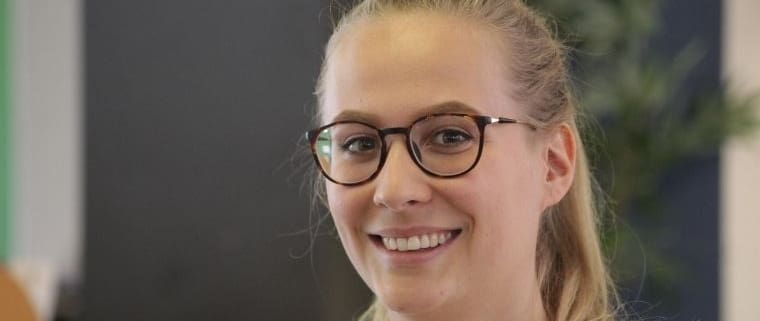
cape town volunteer manon womens platform

Manon – Women’s Platform volunteer

[kc_row use_container=”yes” force=”no” column_align=”middle” video_mute=”no” _id=”750514″][kc_column width=”12/12″ video_mute=”no” _id=”172594″][kc_column_text css_custom=”{`kc-css`:{`any`:{`box`:{`padding|`:`20px inherit inherit inherit`}}}}” _id=”873603″]

Manon’s studies have focused on peace building and conflict resolution, which has led her to work with refugees quite a bit. When it came time to find an internship, she was pointed in the direction of Scalabrini. Here she spent time with the Women’s Platform. Read more about her six months here. 

“I’ve grown up in Denhelder, Netherlands but moved around quite a bit, mostly for school. I moved to Amsterdam at 18 for my Bachelor’s in Anthropology, and then to Groningen for my first Masters, which focused on Religion, Conflict and Globalisation. After that, I moved to Malte for my second Masters, which I’m currently still pursuing in International Humanitarian Action. It’s a two year program, and the first year is split between Groningen and Malte, followed by half a year in Cape Town for this internship and then another six months back in the Netherlands for my thesis with the Red Cross. I was actually just accepted into that program this week, and I’m very excited!

[/kc_column_text][/kc_column][/kc_row][kc_row _id=”393147″][kc_column width=”12/12″ video_mute=”no” _id=”7310″][kc_row_inner _id=”56301″ cols_gap=”{`kc-css`:{}}” css_custom=”{`kc-css`:{`any`:{`background`:{`background|`:`eyJjb2xvciI6IiNmMmYyZjIiLCJsaW5lYXJHcmFkaWVudCI6WyIiXSwiaW1hZ2UiOiJub25lIiwicG9zaXRpb24iOiIwJSAwJSIsInNpemUiOiJhdXRvIiwicmVwZWF0IjoicmVwZWF0IiwiYXR0YWNobWVudCI6InNjcm9sbCIsImFkdmFuY2VkIjowfQ==`},`box`:{`padding|`:`30px inherit 30px inherit`}}}}”][kc_column_inner width=”19.93%” _id=”128402″][kc_icon _id=”525729″ icon=”flaticon-quote” css_custom=”{`kc-css`:{`any`:{`icon-style`:{`color|i`:`#db532f`,`font-size|i`:`60px`,`text-align|`:`center`,`padding|i`:`inherit 0px inherit inherit`}}}}”][/kc_column_inner][kc_column_inner width=”80.05%” _id=”846419″][kc_column_text _id=”794118″ css_custom=”{`kc-css`:{`any`:{`typography`:{`color|,p`:`#db532f`,`font-family|,p`:`Poppins`,`font-size|,p`:`18px`,`text-align|,p`:`left`},`box`:{`margin|p`:`inherit 20px inherit 0px`}}}}”]

“Facilitating personal development and Conversation Club was a bit challenging for me at first, but has helped me build a lot of confidence. These roles have also allowed for a lot of one-on-one interactions with women. I’ve loved getting to know them and learning about the importance of  empathy and compassion in the process.”

[/kc_column_text][/kc_column_inner][/kc_row_inner][/kc_column][/kc_row][kc_row _id=”30180″ cols_gap=”{`kc-css`:{}}” use_container=”yes” force=”__empty__” css_custom=”{`kc-css`:{`any`:{`box`:{`padding|`:`30px inherit inherit inherit`}}}}”][kc_column width=”12/12″ video_mute=”no” _id=”979310″][kc_row_inner column_align=”middle” video_mute=”no” _id=”290920″][kc_column_inner width=”39.29%” _id=”957828″][kc_single_image image_size=”full” _id=”531372″ image_source=”media_library” image=”4469″ css_custom=”{`kc-css`:{`any`:{`image-style`:{`text-align|`:`center`}}}}”][/kc_column_inner][kc_column_inner width=”60.68%” _id=”560085″][kc_column_text _id=”979271″ css_custom=”{`kc-css`:{}}”]

I chose to study Anthropology originally, because I loved the way it required me to talk to new people, study their cultures, and travel. I was doing a religious studies minor at the time as well, and started focusing a lot on Islam specifically, which is what led to my Master’s in Religion, Conflict, and Globalisation.

[/kc_column_text][/kc_column_inner][/kc_row_inner][kc_column_text _id=”591590″ css_custom=”{`kc-css`:{}}”]

A lot of my studies focused on peace-building and conflict resolution,  and I worked with refugees quite a bit. I found this work fascinating and knew I wanted to get involved in humanitarian aid work, which brought me here, to Scalabrini.

While in Malte, my studies were guided by a focus on refugees and migration, and I posted that I was looking for an internship in the field on a Facebook group with students from our masters program. A German woman who’d worked at Scalabrini for several years recommended that I apply. This is my first time in South Africa, and I have really enjoyed it. I didn’t know what to expect, and only knew I was coming to Cape Town about a month before starting my internship. It was kind of spontaneous, but I love all the different cultures and people I’ve been introduced to; Cape Town has so much to offer!

I currently serve as a Women’s Platform intern. Through this role, I lead personal development workshops, facilitate the weekly Conversation Club, run information and registration sessions every other Tuesday, help Amy with administrative tasks like inputting new member information into Salesforce, and helping out with Saturday platform events. Facilitating personal development and Conversation Club was a bit challenging for me at first, but has helped me build a lot of confidence. While in university, I used to get really nervous before presenting, but now I’m very comfortable. These roles have also allowed for a lot of one-on-one interactions with women. I’ve loved getting to know them and learning about the importance of  empathy and compassion in the process.

Conversation Club with Natalie has been my favourite thing to be part of. Although it’s always a bit chaotic, I’ve loved getting to watch the women grow in confidence, and they really appreciate what we do. Last Wednesday, we had a reflection and they told us about how initially, they were nervous to talk and share, but now they’ve grown comfortable speaking out in front of the class. It’s nice to create this safe environment for them and feel like we contributed to that transition. My advice to future interns is to be open-minded towards the whole experience, and not just to see it as an opportunity to help others but also one for personal growth.

[/kc_column_text][/kc_column][/kc_row]

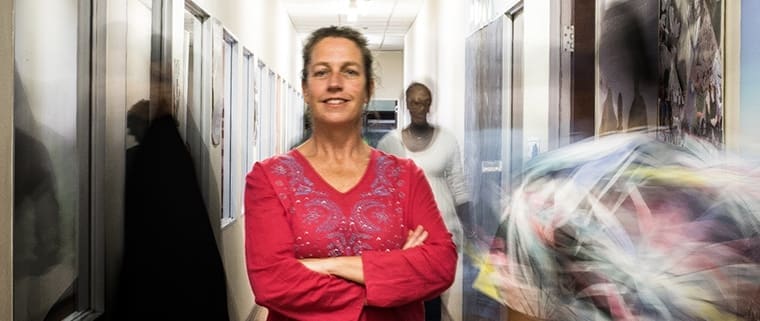
cape town volunteer jennifer basp wp eap

Jennifer – BASP, WP & EAP volunteer

[kc_row use_container=”yes” force=”no” column_align=”middle” video_mute=”no” _id=”697982″][kc_column width=”12/12″ video_mute=”no” _id=”155230″][kc_column_text css_custom=”{`kc-css`:{`any`:{`box`:{`padding|`:`20px inherit inherit inherit`}}}}” _id=”35070″]

Jennifer split her time here between Women’s Platform, BASP and the Employment Access Programme. She will be heading home to work on her thesis where she will be comparing South Africa’s migration system with Sweden’s. Read more about her time here at Scalabrini. 

“I’m originally from Norsjo, Sweden, and lived there until around the age of 15, when I moved to Skelleftea for high school. Now, I attend university in Umea, and I’m doing a three and a half year social work program. I’ve chosen to study social work because I knew I wanted to work with people and was thinking about going on to become a psychotherapist! I’m fascinated by how the mind and people work, so I feel like that could be an interesting career. Since coming to Scalabrini, though, I feel like sticking to social work makes more sense because it seems better suited to my personality. It’s more interactive and less pressure, which I really like. 

[/kc_column_text][/kc_column][/kc_row][kc_row _id=”57486″][kc_column width=”12/12″ video_mute=”no” _id=”826162″][kc_row_inner _id=”951741″ cols_gap=”{`kc-css`:{}}” css_custom=”{`kc-css`:{`any`:{`background`:{`background|`:`eyJjb2xvciI6IiNmMmYyZjIiLCJsaW5lYXJHcmFkaWVudCI6WyIiXSwiaW1hZ2UiOiJub25lIiwicG9zaXRpb24iOiIwJSAwJSIsInNpemUiOiJhdXRvIiwicmVwZWF0IjoicmVwZWF0IiwiYXR0YWNobWVudCI6InNjcm9sbCIsImFkdmFuY2VkIjowfQ==`},`box`:{`padding|`:`30px inherit 30px inherit`}}}}”][kc_column_inner width=”19.93%” _id=”802519″][kc_icon _id=”998758″ icon=”flaticon-quote” css_custom=”{`kc-css`:{`any`:{`icon-style`:{`color|i`:`#db532f`,`font-size|i`:`60px`,`text-align|`:`center`,`padding|i`:`inherit 0px inherit inherit`}}}}”][/kc_column_inner][kc_column_inner width=”80.05%” _id=”300830″][kc_column_text _id=”451676″ css_custom=”{`kc-css`:{`any`:{`typography`:{`color|,p`:`#db532f`,`font-family|,p`:`Poppins`,`font-size|,p`:`18px`,`text-align|,p`:`left`},`box`:{`margin|p`:`inherit 20px inherit 0px`}}}}”]

“I love Women’s Platform in particular because of how it works to uplift women and create a sense of community and opportunity for them.”

[/kc_column_text][/kc_column_inner][/kc_row_inner][/kc_column][/kc_row][kc_row _id=”401436″ cols_gap=”{`kc-css`:{}}” use_container=”yes” force=”__empty__” css_custom=”{`kc-css`:{`any`:{`box`:{`padding|`:`30px inherit inherit inherit`}}}}”][kc_column width=”12/12″ video_mute=”no” _id=”465747″][kc_row_inner column_align=”middle” video_mute=”no” _id=”647746″][kc_column_inner width=”39.29%” _id=”679213″][kc_single_image image_size=”full” _id=”63359″ image_source=”media_library” image=”4473″ css_custom=”{`kc-css`:{`any`:{`image-style`:{`text-align|`:`center`}}}}”][/kc_column_inner][kc_column_inner width=”60.68%” _id=”826396″][kc_column_text _id=”721985″ css_custom=”{`kc-css`:{}}”]

This is my second time in South Africa, and my first time was in November 2017 when I came for a field study. I was placed in a mixed children’s home called Heathersdale for 2 months, and although I liked it, this time around feels more real and like I’m actually living here rather than just visiting.

[/kc_column_text][/kc_column_inner][/kc_row_inner][kc_column_text _id=”530805″ css_custom=”{`kc-css`:{}}”]

I felt like the differences between Sweden and South Africa were much more stark last time, and now I feel more rooted and comfortable. South Africa is very different from Sweden, and I think safety has been one of the big things for me. I also think Swedish social systems are better and more organised. I love the food here, though. My favourite is fried sushi- it’s amazing.

I came to Scalabrini through an organisation called African Sunrise. I needed an internship related to social work for my university program, and my role here is a mixture of EAP, Women’s Platform and BASP. I’m in EAP every Friday and for that I help with CV creation, doing phone calls to former clients and some administrative work like Salesforce. I’d say I’m evenly split between BASP and Women’s Platform. I love Women’s Platform in particular because of how it works to uplift women and create a sense of community and opportunity for them. Seeing them become able to support themselves is awesome. I do a lot of excel and organisational work with Women’s Platform, like editing on Canva, sorting papers and evaluating survey results to see how we can improve. With BASP, I mostly help out in the lab, but I also assist with smaller tasks like student printing, and yesterday I worked on updating the student progress wall!

I’ve learnt a lot since coming to Scalabrini. Some things I didn’t even realise, like how it’s improved my confidence level. I didn’t used to like making phone calls and talking to people as much as I do now, and I’ve also learned a lot about the migrant system and xenophobia in South Africa. This position has helped me grow professionally by giving me more of a sense of direction in terms of my future career, and I have really liked working in the NGO environment and feeling like I’m making a difference in people’s lives.

My favourite thing since coming here was being involved with the BASP election week. It was really awesome to see the students be creative and come up with cohort names and logos, and also just seeing them build relationships and bond with each other. After my role here ends, I’m going back to Sweden and writing my thesis with Fanny, where we’ll be comparing Sweden’s migration system to South Africa’s. Scalabrini has been so important in influencing our studies.

My advice to future interns is to be open to mixing it up. I’ve been able to meet so many more clients and learn a lot more about the work Scalabrini does through the versatility of my role, and it’s also prevented me from getting burnt out in one area. I’d also say be sure to ask all the questions you have and be open to learning and receiving new information.”

[/kc_column_text][/kc_column][/kc_row]

cape town volunteer natalia portrait

Natalia – All Rounder volunteer

[kc_row use_container=”yes” force=”no” column_align=”middle” video_mute=”no” _id=”951517″][kc_column width=”12/12″ video_mute=”no” _id=”622382″][kc_column_text css_custom=”{`kc-css`:{`any`:{`box`:{`padding|`:`20px inherit inherit inherit`}}}}” _id=”734057″]

Natalia reflects on how Scalabrini has enriched her career experience and allowed her to be more creative and open to things, opportunities and people. She spent her six months here as an All Rounder. Read more about her experience. 

“I’ve lived in the Netherlands my whole life and just wrapped up a job there where I was working as a management consultant. My fiance was placed in Cape Town for 6 months through his work, so I decided to join him. I wanted to do something totally different from the work I was doing back home, to escape the corporate world and experience an NGO. I did some research and came upon Scalabrini, which brings me here. 

[/kc_column_text][/kc_column][/kc_row][kc_row _id=”214609″][kc_column width=”12/12″ video_mute=”no” _id=”839569″][kc_row_inner _id=”523511″ cols_gap=”{`kc-css`:{}}” css_custom=”{`kc-css`:{`any`:{`background`:{`background|`:`eyJjb2xvciI6IiNmMmYyZjIiLCJsaW5lYXJHcmFkaWVudCI6WyIiXSwiaW1hZ2UiOiJub25lIiwicG9zaXRpb24iOiIwJSAwJSIsInNpemUiOiJhdXRvIiwicmVwZWF0IjoicmVwZWF0IiwiYXR0YWNobWVudCI6InNjcm9sbCIsImFkdmFuY2VkIjowfQ==`},`box`:{`padding|`:`30px inherit 30px inherit`}}}}”][kc_column_inner width=”19.93%” _id=”833828″][kc_icon _id=”987396″ icon=”flaticon-quote” css_custom=”{`kc-css`:{`any`:{`icon-style`:{`color|i`:`#db532f`,`font-size|i`:`60px`,`text-align|`:`center`,`padding|i`:`inherit 0px inherit inherit`}}}}”][/kc_column_inner][kc_column_inner width=”80.05%” _id=”58969″][kc_column_text _id=”458755″ css_custom=”{`kc-css`:{`any`:{`typography`:{`color|,p`:`#db532f`,`font-family|,p`:`Poppins`,`font-size|,p`:`18px`,`text-align|,p`:`left`},`box`:{`margin|p`:`inherit 20px inherit 0px`}}}}”]

“I’ve learnt so much since coming here, specifically that you can do a lot with your free time. It really motivates me to go back home and invest some time in community to hopefully have a similarly rewarding experience.”

[/kc_column_text][/kc_column_inner][/kc_row_inner][/kc_column][/kc_row][kc_row _id=”573158″ cols_gap=”{`kc-css`:{}}” use_container=”yes” force=”__empty__” css_custom=”{`kc-css`:{`any`:{`box`:{`padding|`:`30px inherit inherit inherit`}}}}”][kc_column width=”12/12″ video_mute=”no” _id=”803890″][kc_row_inner column_align=”middle” video_mute=”no” _id=”239316″][kc_column_inner width=”39.29%” _id=”724032″][kc_single_image image_size=”full” _id=”196154″ image_source=”media_library” image=”4475″ css_custom=”{`kc-css`:{`any`:{`image-style`:{`text-align|`:`center`}}}}”][/kc_column_inner][kc_column_inner width=”60.68%” _id=”598353″][kc_column_text _id=”687275″ css_custom=”{`kc-css`:{}}”]

This isn’t my first time in South Africa, actually, I think it’s my fourth. Cape Town is a really popular holiday destination for people from the Netherlands. I’ve loved it every time, though, so I was excited to come back. Here at Scalabrini, I’m an All Rounder, and I also do some work in Women’s Platform and organisational things like Salesforce. It’s been really nice to use my career background and familiarity with an interface like Salesforce to help the organisation move forward. 

[/kc_column_text][/kc_column_inner][/kc_row_inner][kc_column_text _id=”335885″ css_custom=”{`kc-css`:{}}”]

Working in an NGO has been really different, much different from commercial work. In NGOs you have real contact with people and get to know them on a more personal level which has been such a great experience. My day-to-day life varies a lot because I’m an All Rounder, which is a very flexible role. Sometimes I cover reception, and I co-facilitated the 9 week conversation club with Women’s Platform. That was one of my favourite parts; getting to know these women and seeing them grow in confidence was so cool. We saw a lot of progression in the 9 sessions, and they said they appreciated having a safe learning environment and growing in confidence which was the whole goal of the program, so that was really validating. I’ve also loved being involved with Women’s Platform events on Saturday’s and seeing how amazing and energetic the women are. This past weekend, women representing a few different countries were dancing on the stage and it was just one big party. It was so cool to see them enjoying themselves and feeling safe and having fun with each other.


I’ve learned so much since coming here, specifically that you can do a lot with your free time. It really motivates me to go back home and invest some time in community to hopefully have a similarly rewarding experience. My time at Scalabrini has also really enriched my career experience, and it has allowed me to be more creative and open to opportunities, things and people. When I go back to the Netherlands, I’m hoping for a bit of a career shift. I hope to work in digital product management, and am currently having a few interviews for jobs when I get back. My advice for future interns is to be open and flexible and to seek new opportunities.”

[/kc_column_text][/kc_column][/kc_row]

Cape Town Reflections on Migration Miranda

Reflections on migration: Director Miranda Madikane

[kc_row use_container=”yes” force=”__empty__” _id=”953465″ cols_gap=”{`kc-css`:{}}” css_custom=”{`kc-css`:{`any`:{`box`:{`padding|`:`inherit inherit 20px inherit`}}}}”][kc_column width=”12/12″ video_mute=”no” _id=”370173″][kc_column_text _id=”355932″]

For the past eleven years, Miranda Madikane has been the director of The Scalabrini Centre of Cape Town – a bustling NGO in the heart of Cape Town offering specialized services to migrants and refugees, who come from all over the African continent and Asia. She reflects on her position as director, and what the changes she has seen in Southern African migration.

1. You have a demanding job, being the director of such a busy, multi programme organization. What is your favorite aspect of your work?
Realizing how much we are actually managing to help people. Sometimes we help people in a really small way, and sometimes we manage to change people’s lives in a really significant way that’s really useful. There were times, looking back, where I remember thinking that helping a person is probably the most complicated thing that you can do, and the fact that we have the systems and the programs in place that support us in helping such high numbers of people on a daily basis is amazing. The amount of thanks and gratitude that we get from our clients makes me know that our work is valuable.

2. What is the most challenging aspect of your position?
I think it’s the crazy pressure, and the fact that no two days are alike. In some ways, you never know what you’re going to be smacked with. We’re an extremely responsive organization, so that means we are really hit by external events, which can be crazy because it adds a huge amount of pressure to daily work. On the other side, I’ve got the joy of being challenged on a spiritual level, on an ethics level, on an emotional level, on an intellectual level, on a physical level, so I think that’s really fulfilling. I often say to my team that we work as hard as any corporate, that we are under as much pressure as the corporate, but our goal isn’t profit, it’s change.

3. You work with issues of migration every day. What makes you so passionate about this topic?
Having now worked for so many years with migrants and refugees and asylum seekers, and having a legal framework that is one of the best in the world for protection, seeing how that plays out to support our clients when implemented properly is incredible. It feels so nice to be backed by a framework that supports the dignity and freedom and healing of clients in a way that allows them to control their own destinies.
It’s so important for us to have that legal framework, though, one that offers a route to neighboring countries and access to economic opportunities of the country. Such incredible productivity comes from the economic migrant. Their aspirations and their dreams and their energies are so positive for the country, plus, they bring new perspective! They bring new cultures, new songs, new hairstyles. These may be nuanced and perhaps not so tangible contributions, but they add to the flow. So I think migration, properly managed, can be so positive in our context and I feel like it’s wasted.

4. From your perspective, has migration to South Africa changed in nature over the last few years? If so, what kind of changes are we witnessing?
There’s been a shift from the management of migration being designed to support the vulnerable and those fleeing persecution. The government was not prepared to accept economic migrants into the country, and that’s what happened. There wasn’t a parallel system for immigration vs. protection, and as a result, people started using the refugee system to gain access to work permits. So the consequence of that was that home affairs was completely overwhelmed by numbers, and could never, ever manage individual status determinations for each and every single person who came. But instead of then opening up a system that allowed for economic migrants or migrants of aspiration, the government has chosen to tighten and reduce the protection space for all refugees and asylum seekers. And the sadness there is that those who are in real need of protection are finding it more and more difficult to access.

[/kc_column_text][kc_spacing height=”20″ _id=”171313″][kc_row_inner _id=”49557″ cols_gap=”{`kc-css`:{}}” css_custom=”{`kc-css`:{`any`:{`background`:{`background|`:`eyJjb2xvciI6IiNmMmYyZjIiLCJsaW5lYXJHcmFkaWVudCI6WyIiXSwiaW1hZ2UiOiJub25lIiwicG9zaXRpb24iOiIwJSAwJSIsInNpemUiOiJhdXRvIiwicmVwZWF0IjoicmVwZWF0IiwiYXR0YWNobWVudCI6InNjcm9sbCIsImFkdmFuY2VkIjowfQ==`},`box`:{`padding|`:`30px inherit 30px inherit`}}}}”][kc_column_inner width=”19.95%” _id=”986067″][kc_icon _id=”936529″ icon=”flaticon-quote” css_custom=”{`kc-css`:{`any`:{`icon-style`:{`color|i`:`#db532f`,`font-size|i`:`60px`,`text-align|`:`center`,`padding|i`:`inherit 0px inherit inherit`}}}}”][/kc_column_inner][kc_column_inner width=”80.04%” _id=”983465″][kc_column_text _id=”675034″ css_custom=”{`kc-css`:{`any`:{`typography`:{`color|,p`:`#db532f`,`font-family|,p`:`Poppins`,`font-size|,p`:`18px`,`text-align|,p`:`left`},`box`:{`margin|p`:`inherit 20px inherit 0px`}}}}”]

“We’re definitely seeing more women, and I think that’s in line with what’s happening on a macro level – more women migrating for economic reasons, and for protection.”

[/kc_column_text][/kc_column_inner][/kc_row_inner][kc_spacing height=”20″ _id=”905026″][kc_single_image image_size=”full” _id=”372278″ image_source=”media_library” image=”2150″ css_custom=”{`kc-css`:{`any`:{`image-style`:{`text-align|`:`center`}}}}”][kc_column_text _id=”178720″]

5. What kind of changes in client profile have we seen in the last few years?

We’re definitely seeing more women, and I think that’s in line with what’s happening on a macro level – more women migrating for economic reasons, and for protection. There’s also a big difference, of course, in access to documentation; we are supporting higher numbers of undocumented individuals. In 2012, 1% of the entire organization’s clients were undocumented. Now, it’s more like 24%. So it’s a massive shift, which of course reflects the reality of the closing of the space, the protection of the space.

6. How does Scalabrini react to these kinds of changes?

The increase in women saw the rise of the women’s platform, and it’s affected our strategic direction. I mean, we are very conscious of the rise of the undocumented, and that is something we constantly advocate around. As an organization we have to be extremely careful. We’re allowed to offer humanitarian aid, so you’ll see that in the employment access programme, you have to be documented to gain access to services. Otherwise it would be aiding and abetting an irregular migrant in accessing work. Our welfare desk is allowed to assist undocumented, because they are offering humanitarian aid. The advocacy programme speaks to undocumented, and if they have claim, gives them due process to approach an RRO. Our undocumented clients who have no claim, though, are normally told that the only way to legalize their stay in South Africa is to return to their home country and to make application in that way.

[/kc_column_text][kc_row_inner column_align=”middle” video_mute=”no” _id=”824496″][kc_column_inner width=”44.53%” _id=”422357″][kc_single_image image_size=”full” _id=”907881″ image_source=”media_library” image=”2170″ css_custom=”{`kc-css`:{`any`:{`image-style`:{`text-align|`:`center`}}}}”][/kc_column_inner][kc_column_inner width=”55.46%” _id=”357084″][kc_column_text _id=”532675″]

7. Has the way that the South African government approaches migration changed over the last few years?
The South African government’s method of dealing with migration has shifted from a social to a security approach. South Africa sprang from a place where many of us had been refugees in exile from the apartheid regime, and it was based on the knowledge of what that meant to be in exile and to be running from your state that this beautiful refugee act was formed.

[/kc_column_text][/kc_column_inner][/kc_row_inner][kc_column_text _id=”676171″ css_custom=”{`kc-css`:{}}”]

I think the issue arose from the lack of resources and structure to support high numbers of refugee and asylum seekers coming into the system. The government’s knee-jerk reaction was to blame the migrant, so the asylum seeker and the refugee were demonized, instead of actually seeing that their failure is in lack of structure.

8. Looking to the future, how do you think migration to South Africa might change in the coming years? Are there things to be concerned about, and things to be excited about?
One of the big positive factors in the white papers is the introduction of the South African visa regime, which allows migrants from our region access to low-skilled work permits, cross-border informal trade permits, and small business enterprise permits. So that’s really exciting because it means that people can come in not on a pretense, but come in for the reason that they’re here and it’ll make it slightly easier for them. It also means that the circular migration will be much easier to achieve, and I think therefore the joining of South Africa to the rest of Africa will become much realer. And then, who knows? Maybe South Africans will say, “hey, maybe there’s opportunity for me in Kinshasa,” and you’ll see South Africans looking more broadly at opportunities and gaps in the market that are definitely there in the rest of the region.

The negatives are obviously the move to the border, the closure of the RRO’s [Refugee Reception Offices], the refusal of Home Affairs to obey court orders, the blaming of the refugee and asylum seeker for their management. I mean essentially, it is their [Home Affairs’] duty to control the decision-making of the RSDO’s [Refugee Status Determination Officer] and while I have sympathy for the numbers, I don’t believe that there’s any sincerity in their attempt to properly manage it. Those are all negatives, and what we see with, what they call the securitization approach or the externalization approach, is the criminalization of the migrant. At the moment, it’s a criminal offense to assist an irregular migrant but not a criminal offense to be an irregular migrant (it’s an administrative offense) but I think with this new approach, that will change. So you’ve got your individual person who decided to dream a dream becoming a criminal.

9. Migration is such a hot topic in South Africa. Is there a specific mind-shift that you think would be beneficial to our future as a country?
Right now, the government is looking at what’s happening in the rest of the world and tried to align themselves with a lot of first-world countries where there is a growth in populism, where migration is used for fear, where security is touted as the way to properly manage migration, where a lot of externalization is happening; you can see in Australia, and now in Europe, people are being held out of the borders of the places where they’re seeking asylum. So, that’s essentially what South Africa has been mirroring since about 2011-2012, and now it’s reaching its pinnacle with regulations for amendment coming in and the white papers clearly stating that they’re hoping to externalize.

I feel that the security of the nation lies in data that has integrity. So if you know what the movement of people is, and you know where they come from, and why they’re here, that, for me, offers protection. Not trying to build a wall that stops migration from coming through, because migration is like water. And you can’t really stop the flow of water, so you won’t stop the flow of migrants. With migration, we’re talking about the movement of people, but the migrant is a person.

[/kc_column_text][kc_single_image image_size=”full” _id=”448451″ image_source=”media_library” image=”2171″ css_custom=”{`kc-css`:{`any`:{`image-style`:{`text-align|`:`center`}}}}”][kc_spacing height=”20″ _id=”634789″][kc_row_inner _id=”200788″ cols_gap=”{`kc-css`:{}}” css_custom=”{`kc-css`:{`any`:{`background`:{`background|`:`eyJjb2xvciI6IiNmMmYyZjIiLCJsaW5lYXJHcmFkaWVudCI6WyIiXSwiaW1hZ2UiOiJub25lIiwicG9zaXRpb24iOiIwJSAwJSIsInNpemUiOiJhdXRvIiwicmVwZWF0IjoicmVwZWF0IiwiYXR0YWNobWVudCI6InNjcm9sbCIsImFkdmFuY2VkIjowfQ==`},`box`:{`padding|`:`30px inherit 30px inherit`}}}}”][kc_column_inner width=”19.93%” _id=”977395″][kc_icon _id=”958884″ icon=”flaticon-quote” css_custom=”{`kc-css`:{`any`:{`icon-style`:{`color|i`:`#db532f`,`font-size|i`:`60px`,`text-align|`:`center`,`padding|i`:`inherit 0px inherit inherit`}}}}”][/kc_column_inner][kc_column_inner width=”80.05%” _id=”396806″][kc_column_text _id=”825851″ css_custom=”{`kc-css`:{`any`:{`typography`:{`color|,p`:`#db532f`,`font-family|,p`:`Poppins`,`font-size|,p`:`18px`,`text-align|,p`:`left`},`box`:{`margin|p`:`inherit 20px inherit 0px`}}}}”]

“With migration, we’re talking about the movement of people, but the migrant is a person.”

[/kc_column_text][/kc_column_inner][/kc_row_inner][/kc_column][/kc_row]

Cape Town Amena Saad Volunteer Story

Amena Saad: Communications Volunteer

[kc_row use_container=”yes” force=”no” column_align=”middle” video_mute=”no” _id=”446395″][kc_column width=”12/12″ video_mute=”no” _id=”995554″][kc_column_text css_custom=”{`kc-css`:{`any`:{`box`:{`padding|`:`20px inherit inherit inherit`}}}}” _id=”508304″]

Amena Saad from North Carolina is studying photojournalism. After deciding to take a year out and hearing about Scalabrini from another volunteer Amena applied to become a communication volunteer for three months.

I finished my sophomore year in college, and while I’ve loved my experience thus far, I was eager for a change in pace and scenery. I’ve lived in North Carolina since I was two years old, and attend a university that’s about 20 minutes from my parents’ home. I love North Carolina, don’t get me wrong, but life was starting to feel a bit too familiar. Last March, I got the opportunity to take a gap year for the purpose of international service through my school’s Center for Social Justice. I chose Cape Town as my first destination because I have yet to hear a negative review about this place (did you know Cape Town is the most revisited city in the world? gasp!).

[/kc_column_text][/kc_column][/kc_row][kc_row _id=”461683″][kc_column width=”12/12″ video_mute=”no” _id=”538841″][kc_row_inner column_align=”middle” video_mute=”no” _id=”278823″][kc_column_inner width=”44.43%” _id=”406579″][kc_single_image image_size=”full” _id=”22315″ image_source=”media_library” image=”3643″ css_custom=”{`kc-css`:{`any`:{`image-style`:{`text-align|`:`center`}}}}”][/kc_column_inner][kc_column_inner width=”55.55%” _id=”164727″][kc_column_text _id=”168869″ css_custom=”{`kc-css`:{}}”]

I’d heard about Scalabrini from a previous volunteer who did the same gap year program I’m doing, and she had a really positive experience here. I was also excited by the prospect of doing work that doesn’t necessarily have my future or career at the focus, and my internship has been really fulfilling in that regard.

[/kc_column_text][/kc_column_inner][/kc_row_inner][kc_column_text _id=”539987″ css_custom=”{`kc-css`:{}}”]

The transition to South Africa wasn’t too difficult for me, and I credit that to the community I’ve been able to build with the other interns, who have become great friends, and also within Cape Town’s Muslim community! I’ve grown up in a Muslim household and my religion is a big part of my identity, so it’s refreshing to have so many mosques to explore and people who are welcoming and eager to make me feel at home. I also credit my love for this area with its natural beauty; weekend hikes and trips to the beach never get old, and there’s always somewhere new to experience. Seriously- last weekend I went to three different beaches; this place is wild.

[/kc_column_text][/kc_column][/kc_row][kc_row _id=”155503″][kc_column width=”12/12″ video_mute=”no” _id=”4278″][kc_row_inner _id=”148484″ cols_gap=”{`kc-css`:{}}” css_custom=”{`kc-css`:{`any`:{`background`:{`background|`:`eyJjb2xvciI6IiNmMmYyZjIiLCJsaW5lYXJHcmFkaWVudCI6WyIiXSwiaW1hZ2UiOiJub25lIiwicG9zaXRpb24iOiIwJSAwJSIsInNpemUiOiJhdXRvIiwicmVwZWF0IjoicmVwZWF0IiwiYXR0YWNobWVudCI6InNjcm9sbCIsImFkdmFuY2VkIjowfQ==`},`box`:{`padding|`:`30px inherit 30px inherit`}}}}”][kc_column_inner width=”19.93%” _id=”311755″][kc_icon _id=”291036″ icon=”flaticon-quote” css_custom=”{`kc-css`:{`any`:{`icon-style`:{`color|i`:`#db532f`,`font-size|i`:`60px`,`text-align|`:`center`,`padding|i`:`inherit 0px inherit inherit`}}}}”][/kc_column_inner][kc_column_inner width=”80.05%” _id=”185940″][kc_column_text _id=”446727″ css_custom=”{`kc-css`:{`any`:{`typography`:{`color|,p`:`#db532f`,`font-family|,p`:`Poppins`,`font-size|,p`:`18px`,`text-align|,p`:`left`},`box`:{`margin|p`:`inherit 20px inherit 0px`}}}}”]

“I’m studying photo and video journalism in school, so my role as a communications intern is really well-suited to my interests. It has also promoted considerable growth, and I’ve learned so much from Jennifer, the communications manager, about different styles of photography.”

[/kc_column_text][/kc_column_inner][/kc_row_inner][/kc_column][/kc_row][kc_row _id=”415017″][kc_column _id=”945421″][kc_column_text _id=”674092″ css_custom=”{`kc-css`:{`any`:{`box`:{`padding|`:`20px inherit inherit inherit`}}}}”]

On a daily basis, I interview clients and write their success stories, take photos and report on different events going on around the center, and work on smaller tasks like updating individual platform brochures and creating a new volunteer board in reception! My favorite memory at Scalabrini has been attending the Heritage Day potluck we had to celebrate our diverse backgrounds. Not only was the food delicious, but it was also fascinating to learn about the different cuisines of our staff and interns’ home countries!

My hope for the future at Scalabrini is that it maintains its positive and familial work environment. I feel so comfortable talking with and getting to know the various staff members, and am already dreading having to say goodbye at the end of all this.

[/kc_column_text][/kc_column][/kc_row]

Cape Town Citizenship Act Judgement Michelle

Citizenship Act Judgement: What it means for Michelle

Yesterday’s Supreme Court judgement on the interpretation of South Africa’s Citizenship Act could result in a swathe of young people – those born and raised in South Africa with foreign parents – being able to apply to citizenship. We speak to Michelle,* who is hopeful that she can finally be recognized in South Africa, the only country she has ever known.

scalabrini Centre of cape town What it means for michelle

Upon meeting her, Michelle ‘seems South African’. Born and raised in Cape Town, Michelle went through South African primary and secondary school where she ‘learnt about our history and did everything South African learners do’. She later enrolled to study teaching at Stellenbosch University. But her university career was cut short in her second year when her documentation became an issue, rendering her ‘illegal’ in the only country she’s ever known. Now, at the age of 23, Michelle’s hopes have been raised by a recent Supreme Court Judgement on citizenship law in South Africa.

Stateless in South Africa

Michelle’s parents fled to South Africa from Angola in 1992. Having never had issues with documentation and using her South African birth certificate for schooling purposes, Michelle describes how she ‘felt truly South African’. In 2013, the South African government withdrew all Angolans’ refugee statuses. Michelle and her family were left undocumented as the Angolan authorities did not recognize them to be Angolan.
Suddenly, without documentation, Michelle had to drop out of her existence in South Africa. ‘I had to leave Stellenbosch University. All of my friends started graduating, finding jobs, moving on. I could not do anything – I was at home and I couldn’t find jobs or contribute to my household. I felt completely lost.’

Changes in Citizenship Law

In 2013, the South African Citizenship Act was amended to allow children born in South Africa – regardless of their parents’ nationality – to apply for South African citizenship upon turning eighteen. The applicant would have to provide a birth certificate, and prove that they had remained in South Africa during their life. ‘I kept googling this Citizenship Act,’ explains Michelle. ‘It spoke to me because it said, if you are born in South Africa to non-South African parents and you turn eighteen you can apply for South African citizenship.’ However, Michelle was not able to apply for South African citizenship, because the Department of Home Affairs claimed that this provision of the amended citizenship law was only applicable to those born after the change in law. In other words, only children turning eighteen in 2031 would be able to apply for South African citizenship through this new provision. Upon discovering this, Michelle’s hopes to legalize herself were dashed. ‘I was filled with anxiety because I could not see my future. I still had no way of proving my own identity.’

Cape Town Citizenship Act Judgement What it means for Michelle

Challenging citizenship in court

In 2017, the Legal Resources Centre approached the Western Cape High Court, requesting confirmation that the relevant provisions of the Citizenship Act be applied to those turning eighteen after 2013 in South Africa. The Legal Resources Centre argued that the refusal to consider their citizenship application infringed on their constitutional entitlements – and by disallowing citizenship, the Department of Home Affairs was forcing them to be non-citizens in the only country they had only ever known.
In September 2017, the Western Cape High Court handed down a judgement affirming that those born to foreigners in South Africa, who turned eighteen after 2013, should indeed be able to apply for South African citizenship. However, the Department of Home Affairs appealed the decision. To Michelle, the news of Home Affairs appealing the decision ‘felt like a punch backwards’.

Just over a year later, the matter was heard in the Supreme Court of Appeal. On 30 November 2018, it was ruled that those born in South Africa before 2013 be able to apply for South African citizenship. The Department of Home Affairs has been ordered to make regulations and provisions so that applicable individuals are able to apply. In making this judgement, the Supreme Court noted that ‘it is not in the interest of justice and neither is it just and equitable to send the respondents from pillar to post simply because the Minister has adopted a supine attitude that the regulations will only be promulgated in due course.’ The Legal Resources Centre has welcomed the judgement ‘which confirms the rights of our clients to nationality and ensure that they are not to be rendered stateless through restrictive interpretation of nationality laws.’

‘This judgement will change my life forever’

Michelle is ecstatic. ‘If this judgment is realized, it will change my life completely. I will be able to do what every normal person does and pursue my dreams. I also am excited about small things, like opening a bank account, and not hiding my money under my mattress anymore.’ If the judgement is unchallenged and implemented, Michelle could apply to be a South African. This change would mean Michelle going from a stateless person to a South African. ‘If I had an ID book in my hands, I would feel alive, not invisible. I would feel like I matter and I am equal. I want someone at the school, library or airport to look at my ID book and say, ‘Oh Welcome, Michelle Ntumba!’

Citizenship Act Judgement What it means for Michelle

*Names are changed to protect identities.

Cape Town Refugee Amendment Act Explained

Teach Yourself: The Refugees Amendment Act Explained

[kc_row use_container=”yes” force=”no” column_align=”middle” video_mute=”no” _id=”155447″][kc_column width=”12/12″ video_mute=”no” _id=”358231″][kc_column_text]

Keep up to date with our #TeachYourself series – condensed articles on planned changes in South African migration law. Our articles and infographics aim to spread awareness on the planned changes in South Africa’s migration landscape, and our standpoint on the issue.

SEE OUR INFOGRAPHIC BELOW!

The Refugees Amendment Act

The Refugees Amendment Act, which was signed into law on 14 December 2017, can only be properly implemented once the Draft Regulations are finalized and published in the Government Gazette. At this time, it is still unclear when the Amendment Act might go into force, if at all. If implemented, this Act would spell fundamental changes for asylum seekers and refugees in South Africa. As with any law in South Africa, public involvement is part of the process. The Advocacy Programme at the Scalabrini Centre of Cape Town has provided the South African government with submissions on the Refugee Amendment Bill and comments on the Draft Regulations to the Refugees Amendment Act. The Refugees Amendment Act is being enacted at a time of great change: the White Paper on International Migration for South Africa will, if implemented, bring about extensive changes to both economic migrants and refugees migrating to South Africa. For example, introducing low-skilled work permits for those from the Southern Africa would hugely relieve the pressure on the asylum system in South Africa. With such changes on the horizon, the drastic changes of the Refugees Amendment Act – which risk infringing on the constitutional rights of asylum seekers and refugees – may not be required.

Removal of the automatic right to work and study for asylum seekers

Under the Refugees Amendment Act, asylum seekers would no longer have the automatic right to work and study. This right would only be ‘endorsed’ on an asylum visa following an assessment process to determine whether the applicant could support themselves in any way (including with UNHCR’s support). If not, they would have the right to work endorsed – but they would need to show proof of employment within two weeks, or risk their employer facing a hefty fine. For those who are studying, the Refugees Amendment Act and Draft Regulations are not completely clear. Proof of studying at a South African education institution will be needed by asylum applicant, implying that the right to study will not be automatically granted.

In our submissions, we raised deep concerns over the changes to asylum seekers’ right to work and study. The Watchenuka court case confirmed asylum seekers’ right to work in South Africa, in that the right to work is interwoven with one’s constitutional right to dignity. The Refugees Amendment Act, it seems, would risk infringing rights to dignity once again. We are concerned that this system, if implemented, will be unworkable, impractical, and will lead to the degradation of asylum seekers’ dignity. What’s more, the UNHCR has confirmed that they are not able to provide shelter to asylum seekers in South Africa – despite the Act envisaging that the UNHCR would do so. Our submissions also warned that employers will be hesitant to provide written undertakings (or risk fines), pushing applicants towards informal or unauthorized employment – which is neither beneficial for the asylum seeker nor the South African economy. The administrative process that will be needed to authorize an asylum seekers’ right to work would add further layers to the asylum system, creating more work for officials working in Home Affairs – who should be focusing their time and resources on processing asylum claims. We believe that, if the Department of Home Affairs is able to adjudicate asylum applications within a reasonable period of time, the need to ‘endorse’ asylum seekers’ right to work would fall away. We recommend that the Department of Home Affairs rather funnel resources towards improving efficient asylum adjudications.

Opening and closing Refugee Reception Offices

Under the Refugees Amendment Act, the Director-General of Home Affairs would be able to establish, and disestablish, as many Refugee Reception Offices as he or she regards as necessary – ‘notwithstanding the provisions of any other law’. He or she would also be able to direct any category of asylum seekers to report to any ‘place specially designated’ when lodging an application for asylum. In our submissions, we raised deep concerns around what an ‘other place specially designated’ might mean. We are especially concerned that it may result in what may essentially be de facto refugee camps or detention centres for certain categories of asylum seekers. Home Affairs has closed several Refugee Reception Offices since 2010, all of which were found unlawful by the courts. The laws with which opening or closing Refugee Reception Offices must comply with is not clear in the Refugees Amendment Act. This is of concern to us – especially considering the recent rulings on RRO closures. This amendment might well be paving the way towards the plans to ultimately construct ‘asylum processing centres’ on the northern borders of South Africa.

Applying for asylum

The Refugees Amendment Act requires an asylum seeker to report to a Refugee Reception Office no later than five days after arriving in South Africa – or they can be excluded from refugee status. Furthermore, those who do not have an ‘asylum transit visa’ will be interviewed by an immigration officer to determine whether they have ‘valid reasons’ for not holding this transit visa. In the daily work of Scalabrini, asylum applicants often report difficulties in entering a Refugee Reception Office and applying for asylum. Five days to apply for asylum is not realistic – and we expressed concern in our submissions that denying someone an application to asylum simply because they apply on the sixth day is not in line with international refugee law. Given the current backlogs and protracted adjudication processes, this provision could create significant burdens for asylum seekers – and extra layers of administration for the Department of Home Affairs.

Under the Refugees Amendment Act asylum seekers will have to declare all existing dependents family upon their first application in order to have them documented in their asylum file. For those fleeing conflicts in stressful conditions, and with limited English, ensuring all family members are on the asylum application is not necessarily simple. In our submissions, we suggested that family members can be joined into an asylum file at a later date, along with proof of their relationship to the applicant.

Abandoning asylum claims

Under the Refugees Amendment Act, an asylum claim will be considered ‘abandoned’ if an asylum seeker does not attend a Refugee Reception Office in the month after the expiry of their asylum permit (unless they have a ‘compelling reason’). In our experience, the expired permit process has been fraught with difficulty for asylum seekers for years and pushes individuals into undocumented statuses. Entering Refugee Reception Offices is no easy task; asylum seekers have to visit Refugee Reception Offices several times before getting documented. For these reasons, many asylum seekers would have their claim deemed ‘abandoned’ – which, in our opinion, places administrative matters over protection and the principle of non-refoulement and is in contradiction to South African case-law which confirms that asylum applications cannot be denied on grounds of delay and that asylum applicants are, even prior to applying, protected by the Refugees Act. Our submissions suggested twelve months given the practical realities as a more realistic period before considering an asylum claim abandoned.

Exclusion from refugee status

If implemented, the Refugees Amendment Act would expand the reasons for which an asylum seeker could be excluded from refugee status. This would include the committing of a Schedule 2 crime, entering illegally into South Africa, or an offence related to fraudulent documentation. It would also include those who are fugitives from justice in countries ‘where the rule of law is upheld by a recognized judiciary’, and those who do not apply for asylum within five days of entering South Africa. These proposed changes do not adhere to international refugee law, which clearly outlines that refugees should not be penalized for irregular entry into South Africa. UNHCR Guidelines further clarify that ‘the proportionality of the gravity of the offence in question should be weighed against the consequences of exclusion for the individual concerned’.

Cessation of refugee status

The Refugees Amendment Act would, if implemented, expand the reasons under which a refugee status could be withdrawn. The Act, read with the Draft Regulations, propose a list of actions that would result in the withdrawal of refugee status – including ‘seeking consular services [and] assistance with documentation.’ In our submissions and comments, we raise concern around the fact that asylum seekers are required, by the Department of Home Affairs, to produce documentation such as marriage certificates – which would require a visit to their consulate, and would risk them having their status withdrawn. The Act would allow the Minister of Home Affairs to announce a cessation upon an entire category of refugees (or an individual), which we highlight would bypass the checks and balances currently attached to cessations.

Changes to the Refugee Appeal Board

The fact that the Refugee Appeal Board is severely over-stretched and under-resourced is well documented, and has resulted in asylum seekers waiting for several years for hearings and outcomes. The Refugees Amendment Act would create the Refugee Appeals Authority, which would allow for one member to take a decision (rather than the current quorum) and for more flexible appointments. Our submissions agreed with some of the proposed improvements to the appeals procedure, and suggested an amnesty project to allow the Refugee Appeal Board to clear the huge backlog that they currently face.

Permanent residency

The Refugees Amendment Act would lengthen the amount of time a refugee has resided in the country before being allowed to apply for certification to apply for permanent residence from the current five years to ten years. The UNHCR recommend that the period of time before recognizing a permanent status should be five years. In our comments, we recommended that the time period remain at five years, especially considering the protracted determination process which means many remain on asylum temporary permits for many years, in order to qualify for application to permanent residency.

*Our overall concerns with the Refugees Amendment Act are that it introduces a range of new exclusions from protection and extra procedures for officials to conduct that are unrelated to refugee protection. As the major problem with the Refugees Act has been implementation, we do not foresee these changes having a positive impact on efficiency or protection outcomes.

Scalabrini Centre Cape Town Refugee Amendment Act Explained Teach Yourself

[/kc_column_text][/kc_column][/kc_row]

lawrence-video-Prosecutor-Cleaner-Chef-immigration-refugee

Laurence: Prosecutor, Cleaner and Volunteer through Employment Access Programme

[kc_row use_container=”yes” force=”no” column_align=”middle” video_mute=”no” _id=”804041″][kc_column width=”12/12″ video_mute=”no” _id=”565746″][kc_column_text _id=”462485″ css_custom=”{`kc-css`:{`any`:{`box`:{`padding|`:`20px inherit inherit inherit`}}}}”]

We hear from Laurence, a prosecutor from the Democratic Republic of Congo (DRC), who has worked as a cleaner, cook and volunteer here in South Africa. Now, with the assistance of the Employment Access Programme, she is rising through the ranks, and reconnecting with her passion.

Fleeing the Democratic Republic of Congo

Laurence is a strong woman. In DRC, she was driven to become a prosecutor because women “didn’t have a say in the family and in society.” Laurence explains that it was her goal “to target all men who abuse women”. It was ultimately also this fire and passion that forced her to leave. When Laurence sentenced one particularly powerful man to prison, she began receiving death threats. “In Congo, when someone promises to rape and kill you, you better take that threat seriously. You have to run for your life.” Laurence fled to another city in DRC. There, she was warned that she was still not safe – and so she started her journey to South Africa.

Solidarity with South Africa

Laurence remembers the way Congolese people had helped South Africans during apartheid. “We prayed for South Africa from afar. We could feel the pain of people in South Africa. Growing up, I thought we are one with South African people.” This bond and sense of solidarity with South Africa encouraged her to seek asylum here. The reality of South Africa was, however, rather different to what she had expected.
Faced with a new country and a new language, Laurence found work as a cleaner and then a pizza chef. She worked these jobs for nearly a decade. Deeply frustrated that she could not use her legal skills, Laurence quit her jobs and started to volunteer at a primary school. She has worked her way up and is now vice chairperson of the school board.

Connecting to opportunities

Laurence sought assistance at the Employment Access Programme, which connects documented clients to job opportunities through skill training and professional development.

Here, Laurence’s legal qualifications were submitted to the South Africa Qualifications Authority (SAQA) and, whilst awaiting the outcome, she was connected to opportunities in French-English translation – including at a legal conference hosted by the Bertha Foundation. Finally, Laurence is starting to re-grow connections into the legal world. She sees her experience as a refugee as a key aspect to her upcoming opportunities.

A dream of home

Once the violence has subsided, Laurence hopes to return home to DRC. She’d like to resume her role of prosecutor. For other people in a similar situation, Laurence says: “I understand the pressures of everyday life, but it is important to follow your dreams and not only concentrate on working for money, because sometimes we have to make sacrifices in our life to reach our goals”.

[/kc_column_text][/kc_column][/kc_row][kc_row _id=”470165″][kc_column width=”12/12″ video_mute=”no” _id=”915317″][kc_single_image image_size=”full” _id=”304777″ image_source=”media_library” image=”3703″ css_custom=”{`kc-css`:{`any`:{`image-style`:{`text-align|`:`center`}}}}”][/kc_column][/kc_row][kc_row _id=”149552″][kc_column width=”12/12″ video_mute=”no” _id=”321096″][kc_video_play video_link=”https://youtu.be/SntvdexZmto” video_mute=”__empty__” video_width=”700″ loop=”yes” control=”yes” related=”__empty__” showinfo=”__empty__” _id=”558249″ source=”youtube” css_custom=”{`kc-css`:{`any`:{`typography`:{`text-align|`:`center`},`box`:{`padding|`:`20px inherit inherit inherit`}}}}”][/kc_column][/kc_row]

Cape Town Stella Client Story

Stella: Lessons of Strength and Independence From Lawrence House

[kc_row use_container=”yes” force=”no” column_align=”middle” video_mute=”no” _id=”393863″][kc_column width=”12/12″ video_mute=”no” _id=”886768″][kc_column_text _id=”850947″ css_custom=”{`kc-css`:{`any`:{`box`:{`padding|`:`20px inherit inherit inherit`}}}}”]

<br?Stella, 21, arrived in South Africa in 2008 after migrating from the Democratic Republic of Congo (DRC) with her uncle. After adjusting to life in Cape Town, Stella was ready to resume her education; she and her uncle looked to Lawrence house, a child and youth care center registered with the Department of Social Development, for support. Lawrence house specializes in the care and protection of unaccompanied foreign minors and refugee children, as well as children who have experienced trauma.</br?

A Family Reunion

The transition from living with her uncle to moving into Lawrence house was eased by the fact that two of her brothers (one older, one younger), were already there. Stella had been disconnected from her brothers for almost two years. Eager to pick up where they left off, Stella believes that the time they spent apart made their relationship stronger.

Stella describes having positive, and even familial relationships with other children in the house. She believes that their similar backgrounds prevented feelings of isolation, and allowed themselves to better relate to one another. “Half of us came from the same place, from the DRC, some Angolans, so I didn’t feel insecure of my background; we had the same struggles, same challenges,” she says.

Developing Skills and Meaningful Relationships

Lawrence House invests in the personal development of its children. Growing up, Stella regularly attended dance classes, and the program facilitated a multitude of other activities like karate, cooking classes, weekend picnics, trips to the movies, in addition to providing emotional support resources like counseling and therapy. “Every week, we had something to do,” Stella reminisces. “We did not watch TV on a regular basis because there were so many other things taking place at the house, good activities.”

Leadership and staff at Lawrence house played a crucial role in shaping Stella’s experience, and she describes the depth and significance of these relationships fondly. “I bonded with Auntie K and Uncle Jeff the most. They taught me that life is about challenges, and that overcoming challenge is what gives you strength. They also provided comfort for me when I was missing my family.”

[/kc_column_text][/kc_column][/kc_row][kc_row _id=”138319″][kc_column width=”12/12″ video_mute=”no” _id=”198510″][kc_row_inner _id=”3346″ cols_gap=”{`kc-css`:{}}” css_custom=”{`kc-css`:{`any`:{`background`:{`background|`:`eyJjb2xvciI6IiNmMmYyZjIiLCJsaW5lYXJHcmFkaWVudCI6WyIiXSwiaW1hZ2UiOiJub25lIiwicG9zaXRpb24iOiIwJSAwJSIsInNpemUiOiJhdXRvIiwicmVwZWF0IjoicmVwZWF0IiwiYXR0YWNobWVudCI6InNjcm9sbCIsImFkdmFuY2VkIjowfQ==`},`box`:{`padding|`:`30px inherit 30px inherit`}}}}”][kc_column_inner width=”19.93%” _id=”196864″][kc_icon _id=”692818″ icon=”flaticon-quote” css_custom=”{`kc-css`:{`any`:{`icon-style`:{`color|i`:`#db532f`,`font-size|i`:`60px`,`text-align|`:`center`,`padding|i`:`inherit 0px inherit inherit`}}}}”][/kc_column_inner][kc_column_inner width=”80.05%” _id=”357323″][kc_column_text _id=”753642″ css_custom=”{`kc-css`:{`any`:{`typography`:{`color|,p`:`#db532f`,`font-family|,p`:`Poppins`,`font-size|,p`:`18px`,`text-align|,p`:`left`},`box`:{`margin|p`:`inherit 20px inherit 0px`}}}}”]

They taught me that life is about challenges, and that overcoming challenge is what gives you strength. They also provided comfort for me when I was missing my family.”

[/kc_column_text][/kc_column_inner][/kc_row_inner][/kc_column][/kc_row][kc_row _id=”126118″][kc_column _id=”330033″][kc_column_text _id=”305045″ css_custom=”{`kc-css`:{`any`:{`box`:{`padding|`:`20px inherit inherit inherit`}}}}”]

Pursuing a Passion for Fashion

In addition to emotional support, staff at Lawrence House assist youth to pursue fields of work and study that are suitable for their skills and interests. The manager of Lawrence house, known to Stella as Aunt Gulia, guided her through the process of applying to university. “She explained what certain things were, helped me with processing papers- they don’t let you leave Lawrence house without having something to do. Even if it’s not university, they will help you find a short-term job and get on your feet before letting you go,” says Stella.

Stella is currently a textile engineering student at the Cape Peninsula University of Technology. She recalls growing up with a passion for clothing design, and feels challenged and fulfilled by her studies. “My courses come along with a lot of theories. It isn’t just about drawing designs; there’s a lot more to the field, and I have learned so much.”

Stella plans to finish university this year, and her long-term goal is to work until she can afford to bring the rest of her family from the DRC to South Africa. “In terms of my decisions and choices, I can say that I wouldn’t be the person that I am today without Lawrence house. I’m a stronger person because of my experience there. I always think back to the lessons staff members gave me. Before, I wasn’t as strong as I am now, but I can make decisions that I’m sure will work in my way,” she reflects.

[/kc_column_text][/kc_column][/kc_row][kc_row _id=”228768″][kc_column width=”12/12″ video_mute=”no” _id=”165137″][kc_row_inner _id=”256168″ cols_gap=”{`kc-css`:{}}” css_custom=”{`kc-css`:{`any`:{`background`:{`background|`:`eyJjb2xvciI6IiNmMmYyZjIiLCJsaW5lYXJHcmFkaWVudCI6WyIiXSwiaW1hZ2UiOiJub25lIiwicG9zaXRpb24iOiIwJSAwJSIsInNpemUiOiJhdXRvIiwicmVwZWF0IjoicmVwZWF0IiwiYXR0YWNobWVudCI6InNjcm9sbCIsImFkdmFuY2VkIjowfQ==`},`box`:{`padding|`:`30px inherit 30px inherit`}}}}”][kc_column_inner width=”19.93%” _id=”43115″][kc_icon _id=”48128″ icon=”flaticon-quote” css_custom=”{`kc-css`:{`any`:{`icon-style`:{`color|i`:`#db532f`,`font-size|i`:`60px`,`text-align|`:`center`,`padding|i`:`inherit 0px inherit inherit`}}}}”][/kc_column_inner][kc_column_inner width=”80.05%” _id=”570489″][kc_column_text _id=”307315″ css_custom=”{`kc-css`:{`any`:{`typography`:{`color|,p`:`#db532f`,`font-family|,p`:`Poppins`,`font-size|,p`:`18px`,`text-align|,p`:`left`},`box`:{`margin|p`:`inherit 20px inherit 0px`}}}}”]

“In terms of my decisions and choices, I can say that I wouldn’t be the person that I am today without Lawrence house. I’m a stronger person because of my experience there.

[/kc_column_text][/kc_column_inner][/kc_row_inner][/kc_column][/kc_row]

Cape Town Vincent Client Story

Vincent: Opening your mind to others through UNITE

[kc_row use_container=”yes” force=”no” column_align=”middle” video_mute=”no” _id=”657573″][kc_column width=”12/12″ video_mute=”no” _id=”185865″][kc_column_text css_custom=”{`kc-css`:{`any`:{`box`:{`padding|`:`20px inherit inherit inherit`}}}}” _id=”247971″]

Nineteen-year-old Vincent is set to complete twelfth grade in a few months. Reflecting back on his time at school, he credits UNITE for much of the person he is today.

The attraction to UNITE

UNITE, Scalabrini’s youth program, explores issues of identity, integration and diversity with young people. Working collaboratively from within the South African secondary education system, UNITE provides a unique extra-curricular curriculum that promotes activism and critical thought.

Vincent first learnt about UNITE from a school announcement. “I thought I would check it out as it sounded interesting. The facilitator explained that the programme would help you to become the best version of yourself. What attracted me was that the main focus of the programme was unity, diversity, identity. I thought this program can build a character in me that I will need forever.” Vincent signed up immediately. Three years later, he continues to be an active member of UNITE’s Inter Club Council (ICC).

Each school has a UNITE Club which is led by peer elected ICC members. ICC members attend themed workshops at the Scalabrini Centre in preparation to lead discussions at their schools UNITE Club.

Challenging perspectives on LGBTIQ

UNITE has exposed Vincent to topics that have challenged his perspectives. One tangible change is his attitude towards LGBTIQ issues. “I used to see people in the LGBTIQ category as people who were inhumane or beasts. I was telling myself that you have to live life a certain way; in the way you are expected to live. The discussions we had in UNITE made me question my perspective and challenged my way of thinking. It made me more accepting of how others live. I no longer judge a person by how they feel, what they believe in or on their walk in life. Instead, I now look at them for the person they are. This would have never happened without this program. It has been absolutely life changing”.

Emotional support and safe spaces

UNITE is not only about developing perspectives; it crafts a unique, safe and intimate space for the participants. “I’ve never felt as free as I do at UNITE. It’s an very safe environment,” Vincent describes. He recalls a reflection session held at a UNITE camp in 2016 and the emotion that filled the room as people started to share past experiences. “They were in tears. This is not just a program that builds and develops us; it also counsels us and supports us.”

[/kc_column_text][/kc_column][/kc_row][kc_row _id=”740409″][kc_column width=”12/12″ video_mute=”no” _id=”365643″][kc_row_inner _id=”538848″ cols_gap=”{`kc-css`:{}}” css_custom=”{`kc-css`:{`any`:{`background`:{`background|`:`eyJjb2xvciI6IiNmMmYyZjIiLCJsaW5lYXJHcmFkaWVudCI6WyIiXSwiaW1hZ2UiOiJub25lIiwicG9zaXRpb24iOiIwJSAwJSIsInNpemUiOiJhdXRvIiwicmVwZWF0IjoicmVwZWF0IiwiYXR0YWNobWVudCI6InNjcm9sbCIsImFkdmFuY2VkIjowfQ==`},`box`:{`padding|`:`30px inherit 30px inherit`}}}}”][kc_column_inner width=”19.93%” _id=”96077″][kc_icon _id=”527755″ icon=”flaticon-quote” css_custom=”{`kc-css`:{`any`:{`icon-style`:{`color|i`:`#db532f`,`font-size|i`:`60px`,`text-align|`:`center`,`padding|i`:`inherit 0px inherit inherit`}}}}”][/kc_column_inner][kc_column_inner width=”80.05%” _id=”421929″][kc_column_text _id=”898969″ css_custom=”{`kc-css`:{`any`:{`typography`:{`color|,p`:`#db532f`,`font-family|,p`:`Poppins`,`font-size|,p`:`18px`,`text-align|,p`:`left`},`box`:{`margin|p`:`inherit 20px inherit 0px`}}}}”]

“They were in tears. This is not just a program that builds and develops us; it also counsels us and supports us.”

[/kc_column_text][/kc_column_inner][/kc_row_inner][/kc_column][/kc_row][kc_row _id=”36452″][kc_column _id=”797143″][kc_column_text _id=”280162″ css_custom=”{`kc-css`:{`any`:{`box`:{`padding|`:`20px inherit inherit inherit`}}}}”]

Vincent’s experience with UNITE changed his mind set significantly. Perhaps more importantly, it is youth like Vincent who will invoke long term change in attitudes towards others in South Africa. Indeed, this fits in with UNITE’s wider goal: to work towards a society that is inclusive and accepting of others regardless of their race, nationality, religion, gender or sexuality.

[/kc_column_text][/kc_column][/kc_row]